Algeria and Tunisia are planning to jointly construct a new submarine telecommunications cable connecting the two countries to Italy, according to Algeria’s Ministry of Post and Telecommunications, quoted by ecofinagency.
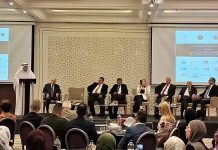
The announcement was made on Saturday following the fourth meeting of the Algeria–Tunisia Joint Technical Commission on Telecommunications, held in Tunis during a visit by Algerian Minister Sid Ali Zerrouki, according to the same source.
The planned cable is designed to expand international data transmission capacity between North Africa and Europe, amid rapidly growing demand for digital services, cloud computing, and online platforms. Both sides also agreed to upgrade the existing terrestrial fiber link between Algeria and Tunisia in order to strengthen the resilience of regional connectivity infrastructure.
Expanding regional digital capacity
The initiative comes as both countries already maintain established international connectivity with Europe.
Algeria is currently linked via the Orval–Alval cable to Spain and the Medex system to France, while Tunisia operates multiple Mediterranean links, including the Keltra cable to Italy. Tunisia is also set to host a landing point for the Medusa submarine cable project, a 8,760-kilometre network connecting nine Mediterranean countries.
The new link is expected to provide both countries with more direct access to Mediterranean digital hubs, potentially supporting the expansion of data centers, cloud computing services, and emerging artificial intelligence applications.
The project aligns with broader regional ambitions to position North Africa as a strategic digital corridor linking Europe, Africa, and the Middle East.
Broader digital cooperation agenda
In addition to the submarine cable project, discussions between the two sides covered wider areas of digital cooperation, including efforts to reduce mobile roaming charges for cross-border users and businesses.
The delegations also explored collaboration on satellite-based Internet of Things (IoT) technologies, aimed at expanding digital connectivity applications.
On the technical level, Algeria and Tunisia agreed to establish a joint working group to improve coordination of mobile networks in border regions and reduce radio frequency interference.
The initiative is also expected to contribute to the preparation of a common position ahead of the 2027 World Radiocommunication Conference, according to the same source.