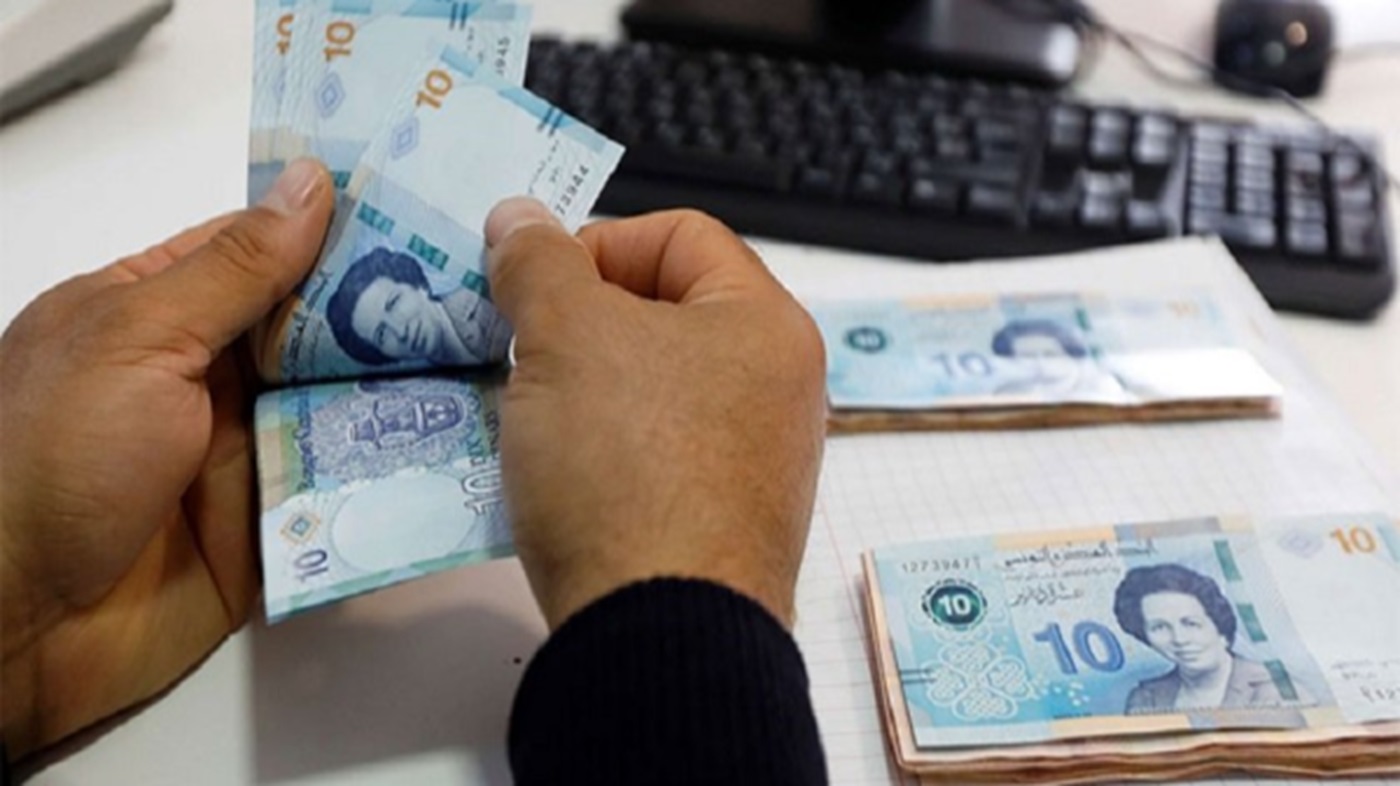
According to new data released by the Central Bank of Tunisia (BCT) for the first quarter of 2026, the country’s tele-compensation system has remained broadly stable in value, processing 53.4 billion dinars (+0.6%) across 14.7 million transactions (+2.8%). However, beneath this apparent calm lies a profound structural upheaval in payment methods.
Bank transfers: The bedrock of the system
Bank transfers continue to dominate, recording 9.6 million transactions (+2.3%) and capturing a 65% market share by volume. In value terms, transfers reached 19.58 billion dinars (+8.7%).
With an extremely low rejection rate of just 0.1% (both in volume and value), the transfer solidifies its position as the safest and most widely adopted payment method among economic agents.
The historic collapse of the cheque
The cheque, once a cornerstone of Tunisian payments, suffered a dramatic decline of 24.9% in volume (to 1.7 million) and 28% in value (to 11.51 billion dinars). This historic drop signals a clear acceleration toward dematerialization, as businesses and individuals shift away from cheques in favor of more instant and traceable solutions. The cheque’s rejection rate remains contained at 1.0% by volume and 2.3% by value.
Direct debits rise – But rejection rates explode
Direct debits surged 26.4% in volume (to 2.2 million) for a total value of 8.41 billion dinars (+7.3%). However, the rejection rate in volume skyrocketed to 51.2% (7% in value), revealing significant cash flow tensions among households when bills or automated drafts are presented for payment.
Promissory notes: The B2B engine
Promissory notes posted strong growth of 35.9% in volume (to 1.2 million) and 23.5% in value (to 13.91 billion dinars), affirming their pivotal role in business-to-business (B2B) commerce. Nevertheless, the rejection rate remains elevated at 9.6% by volume and 9.5% by value, reflecting ongoing liquidity difficulties within the corporate sector.
Bottom Line: While overall payment flows appear stable, Tunisia is witnessing a decisive break from traditional instruments. Bank transfers and promissory notes are gaining ground in the corporate space, cheques are in freefall, and direct debits, though growing, are exposing household cash strain through record rejection levels.