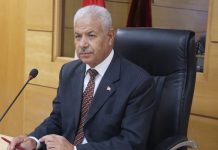
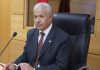
Member of the Finance Committee at the Assembly of People’s Representatives (ARP), Issam Chouchane announced that the committee approved two state-guaranteed loan agreements for STEG worth around $430 million, or nearly TND 1.4 billion.
Speaking on Expresso radio on Monday, June 29, 2026, Chouchane said the final decision now rests with Parliament’s plenary session.
He explained that the loans are intended to finance STEG’s restructuring program, but noted that discussions within the Finance Committee were lengthy and marked by disagreements due to the company’s difficult financial situation over recent years.
According to him, STEG is facing a major financial deficit, and its full restructuring would require at least TND 12 billion.
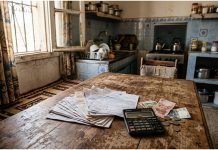
He also revealed that unpaid debts owed by customers as well as public and private entities exceed TND 6 billion, significantly worsening the company’s financial difficulties.
Chouchane said committee members raised several concerns about continuing to rely on borrowing without addressing the structural causes of the crisis.
He recalled that Parliament had already approved several loans for STEG in recent years, including five financing agreements linked to the Tunisia–Italy electricity interconnection project.
However, he noted that progress on the project remains very limited, which surprised lawmakers.
For Chouchane, the issue is not the loans themselves, especially since they come with favorable financial terms, but rather poor governance and management failures within the company.
He also denounced the persistence of electricity theft, saying the phenomenon no longer involves isolated cases but now affects entire neighborhoods.
The MP recalled that STEG was once among Tunisia’s best-performing public companies, generating financial surpluses for the state budget.
Today, he regretted, the company requires billions of dinars in financing just to maintain operations, illustrating the scale of its deterioration.
Chouchane argued that the recovery of public companies cannot rely solely on borrowing, and called for deep reforms based on effective governance, improved management, and a realistic assessment of the financial situation.