Novation Tech, the Italian group specializing in composites and carbon fiber transformation for the automotive industry, has inaugurated its first production facility in Tunisia, marking the company’s debut industrial presence on the African continent.
The new plant is located in Sahline, within the Monastir governorate’s Neopark technopole, an integrated industrial zone housing multiple manufacturing and technology firms.
The facility will focus on producing automotive components made from composite materials, a high-value-added segment within European industrial supply chains.
The project represents a total estimated investment of €22 million over four years. The first phase, amounting to approximately €7 million, was launched as early as 2024 to cover infrastructure setup and the start of production.
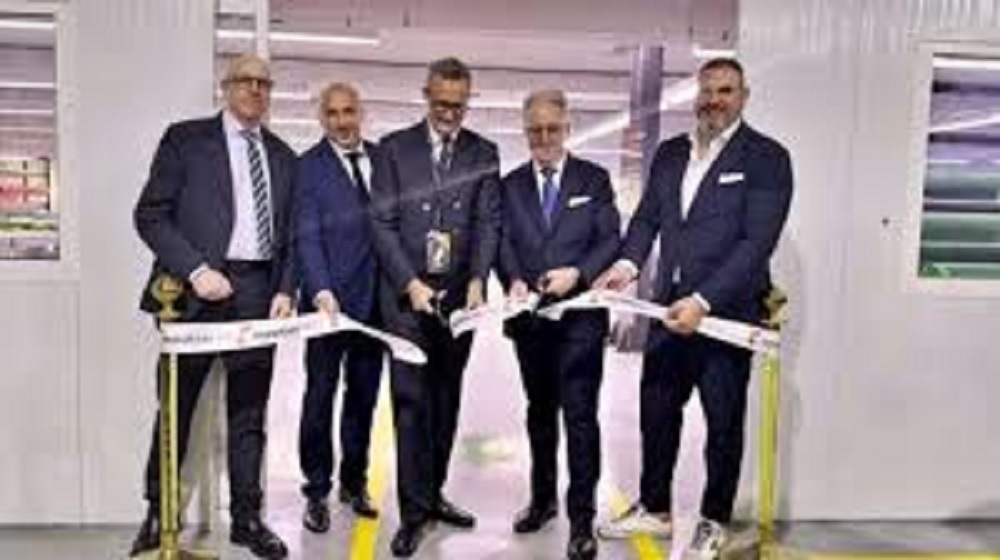
At the inauguration ceremony held on April 15, 2026, Italian Ambassador to Tunisia Alessandro Prunas highlighted the country’s key assets, including the quality of Tunisian human capital, geographic proximity to Europe, and Tunisia’s strategic position as a “natural bridge between Europe and Africa.”
A first-time presence in Africa
Novation Tech specializes in processing composites and carbon fiber, primarily for the automotive industry, as well as for other technical sectors such as aerospace, sports, and industrial equipment. The company has built its reputation on high-value-added products integrated into production chains where material lightness and performance are critical.
Until now, Novation Tech’s industrial footprint was predominantly European, with sites in Italy, Hungary, and Croatia, in addition to its main headquarters in Italy. The group has developed a strategy based on proximity to European markets and optimization of production capacity.
The Monastir facility represents the group’s first industrial presence in Africa, established through a dedicated production unit for composite-material automotive components. This move is part of a strategy to progressively expand its industrial network, bringing part of its production closer to European markets while diversifying its manufacturing bases.
The decision also serves specific industrial goals: strengthening production capacity to meet growing demand for composite materials in the automotive industry and optimizing logistics costs thanks to Tunisia’s geographic proximity to Europe.