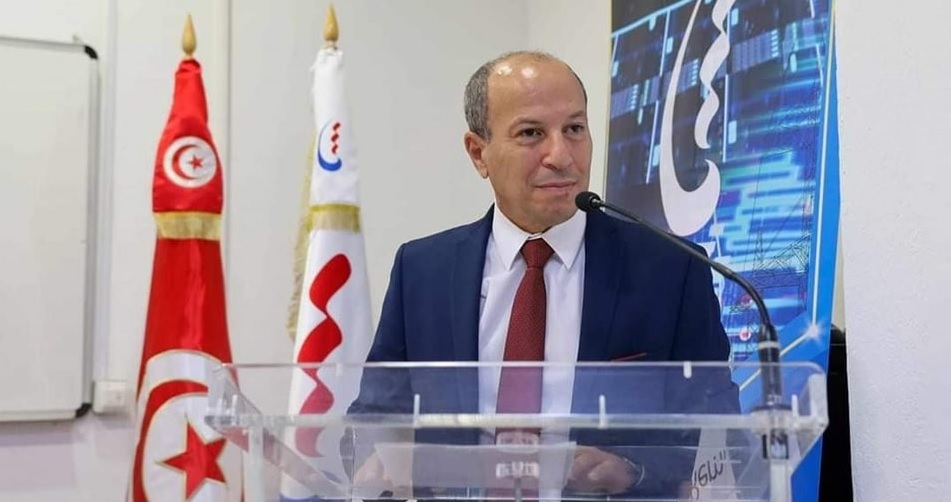
In an interview with African Manager, Faisal Trifi, CEO of the Tunisian Electricity and Gas Company (STEG), reviewed preparations for the 2026 summer season, the progress of major projects such as the Tunisia–Italy “ELMED” electricity interconnection, and the roadmap to phase out estimated billing.
Recently commissioned renewable energy projects will play a key role in supporting the power grid and strengthening supply stability, he said in the interview.
Annual electricity consumption up 3%
According to Trifi, electricity consumption in Tunisia is growing by 2–3% annually, with summer peaks reaching 4–5% due to increased use of air conditioning. In response, STEG is working to accelerate the energy transition, ensuring greater flexibility to meet rising demand.
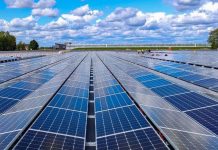
He also noted that rooftop photovoltaic capacity has now reached 400 megawatts (MW), helping to ease pressure on the grid and reduce citizens’ bills, provided consumption is rationalized.
Enhanced maintenance for summer 2026
Ahead of the summer season, STEG carries out annual maintenance operations across its networks nationwide. “These works, which will be completed before summer 2026, will ensure we are fully prepared,” the CEO said.
He added that new renewable energy capacity, 200 MW from the El Métbassta project in Kairouan (100 MW) and the Tozeur and Mezzouna plants in Sidi Bouzid (50 MW each), will provide greater stability and flexibility, particularly in those regions. “This will strengthen service continuity and reduce the risk of load shedding,” he said.
“ELMED” project: notable progress
Asked about the Tunisia–Italy electricity interconnection project “ELMED,” Trifi expressed optimism: “It is a major project that will greatly benefit Tunisia.” He noted that significant progress has been made following the completion of technical specifications and tender documents for the converter stations and the submarine cable.
The project is expected to come into service in 2028, boosting electricity exchanges between the two shores of the Mediterranean.
Toward the gradual elimination of estimated billing
Regarding the end of estimated billing, Triki recalled that the national digitalization program was launched in 2024. “By the end of this year, we will have installed 500,000 smart meters. The rollout of the new billing system will be gradual, as the project extends until 2035, with the goal of equipping 4.5 million meters, which requires significant resources.”