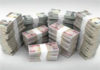
According to the latest monetary indicators from the Central Bank of Tunisia (BCT), the volume of banknotes and coins in circulation (BCC) has reached an unprecedented peak of 27.5 billion dinars.
In the space of one year, an additional 4.5 billion dinars have been injected or hoarded, revealing the paradoxes of an economy struggling to break free from its dependence on cash.
The observation is unequivocal. The amount of physical money circulating in the Tunisian economy continues to grow. While it stood at around 23 billion dinars during the same period last year, it has jumped by nearly 20% to reach 27.5 billion dinars today.
This acceleration, although the rate of inflation shows signs of stabilizing around 4.8% at the beginning of 2026, testifies to an increasingly pressing need for liquidity on the part of households and economic operators.
This historic record is symptomatic of several structural ailments. A large part of this monetary mass feeds into the circuits of the parallel economy, where transactions escape any banking and fiscal traceability.
Despite digitalization efforts (mobile payment, e-dinar), Tunisians remain deeply attached to the banknote.
Check reform and new regulations sometimes, as a side effect, push users to prefer cash to avoid seizures or bank charges.
Faced with economic uncertainties, a significant portion of this currency is stored “under the mattress,” depriving banks of valuable deposits needed to finance investment.
This flight to cash dries up the coffers of commercial banks. The more Tunisians withdraw money from ATMs without reinjecting it into the formal circuit, the more banks must turn to the BCT for refinancing.
Currently, the overall volume of refinancing stagnates at high levels, exceeding 10 billion dinars, a sign that the banking system is under pressure.
Paradoxically, while the local currency is surging, external indicators remain resilient.
Net foreign exchange reserves have also increased, reaching 25.5 billion dinars (equivalent to about 107 days of imports).
This solidity is driven by the rise in workers’ remittances and a recovery in the tourism sector, which inject fresh liquidity into the system, without however curbing the insatiable appetite for paper dinars.
In conclusion, while this record of 27.5 billion illustrates a form of consumer dynamism, it primarily sounds the alarm on the urgent need to modernize means of payment. The battle of “de-cashing” is far from being won.