Each spring, general meetings of listed companies on the Tunis Stock Exchange approve the distribution of annual profits. Behind these routine decisions lies a rarely asked question: where does this money actually go?
By tracking dividends from nine major listed companies for the 2025 financial year, it becomes clear that a significant share of wealth generated in Tunisia is transferred abroad, mainly to France, Morocco, and the Gulf region.
While this is a normal outcome of investment returns, it also raises broader questions. These foreign investors operate in a challenging Tunisian economic context marked by financing constraints and the need to create value added for exports and employment, challenges that concern all stakeholders.
This leads to a key question: why do foreign-owned companies operating under Tunisian law not reinvest at least part of their dividends back into the local economy?Nearly €100 million flows abroad
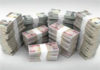
Across the nine companies studied, foreign shareholders received around 339 million dinars in dividends for 2025—approximately €100 million at the exchange rate of 3.395 dinars per euro.
This figure is gross and excludes the 10% withholding tax applied to non-residents, but it illustrates the scale of annual profit repatriation linked to foreign capital participation in Tunisian firms.
The distribution is highly concentrated.
France alone accounts for nearly €64 million, around two-thirds of the total. Morocco follows with €35.5 million, while Gulf countries receive only a marginal share, and Jordan receives none this year.
SFBT, the largest outflow channel
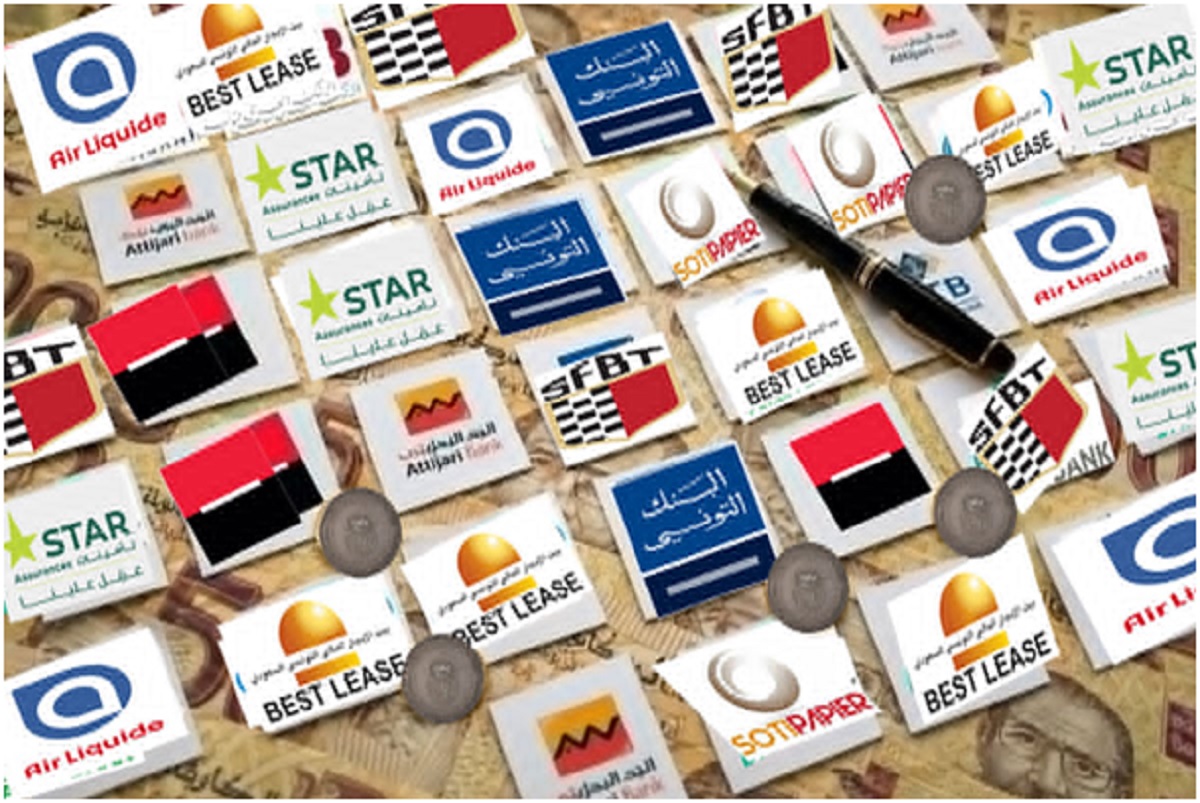
The Société de Fabrication des Boissons de Tunisie (SFBT) is the largest contributor to this outflow. With a dividend of 0.880 dinars per share and over 172 million shares held by foreign investors, it generates around 152 million dinars in payouts, nearly €45 million. Almost all of this goes to the French Castel Group via BGI and Maghreb Investissements, ultimately benefiting the Castel family. This alone represents about 45% of total foreign dividend inflows in the sample.
Attijari Bank and Moroccan ownership structures
Attijari Bank Tunisia represents the second-largest channel. With a dividend of 4.200 dinars per share, foreign shareholders receive around 120 million dinars (about €35.5 million).
Ownership structures are complex: the Tunisian subsidiary is controlled by Moroccan holding AndaluCarthage, itself owned by Attijariwafa Bank, which is partially controlled by Al Mada, a sovereign-linked Moroccan holding company associated with the royal family. The estimated economic share attributable to Al Mada from this single line is around 53 million dinars, though this is a theoretical allocation rather than a direct cash flow.
French mutual groups among key beneficiaries
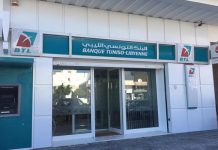
Several companies channel dividends toward French mutual or corporate groups. Banque de Tunisie sends about 35 million dinars (€10.2 million) to Crédit Mutuel’s federated banking arm. The STAR insurance company distributes about 2.4 million dinars, largely to Groupama.
The Union Internationale de Banques directs approximately 17 million dinars to Société Générale, while Air Liquide Tunisie pays around 7.3 million dinars to its French parent group.
Smaller contributions and retained earnings
Other companies represent smaller flows, including Best Lease and SOTIPAPIER. Arab Tunisian Bank, despite a majority foreign stake, paid no dividend as it focused on strengthening its capital base.
In contrast, BIAT, Tunisia’s leading listed bank, does not appear in this outflow list, as its capital is domestically held, meaning dividends remain within the national economy.
A balance between openness and retention
These figures are not a criticism of foreign investment, which has helped recapitalise banks and bring expertise and stability. However, they highlight a structural balance issue: nearly €100 million in annual profits generated in Tunisia is legally repatriated abroad.
For policymakers, the challenge lies in maintaining the country’s attractiveness to foreign capital while encouraging stronger local reinvestment of value created domestically.