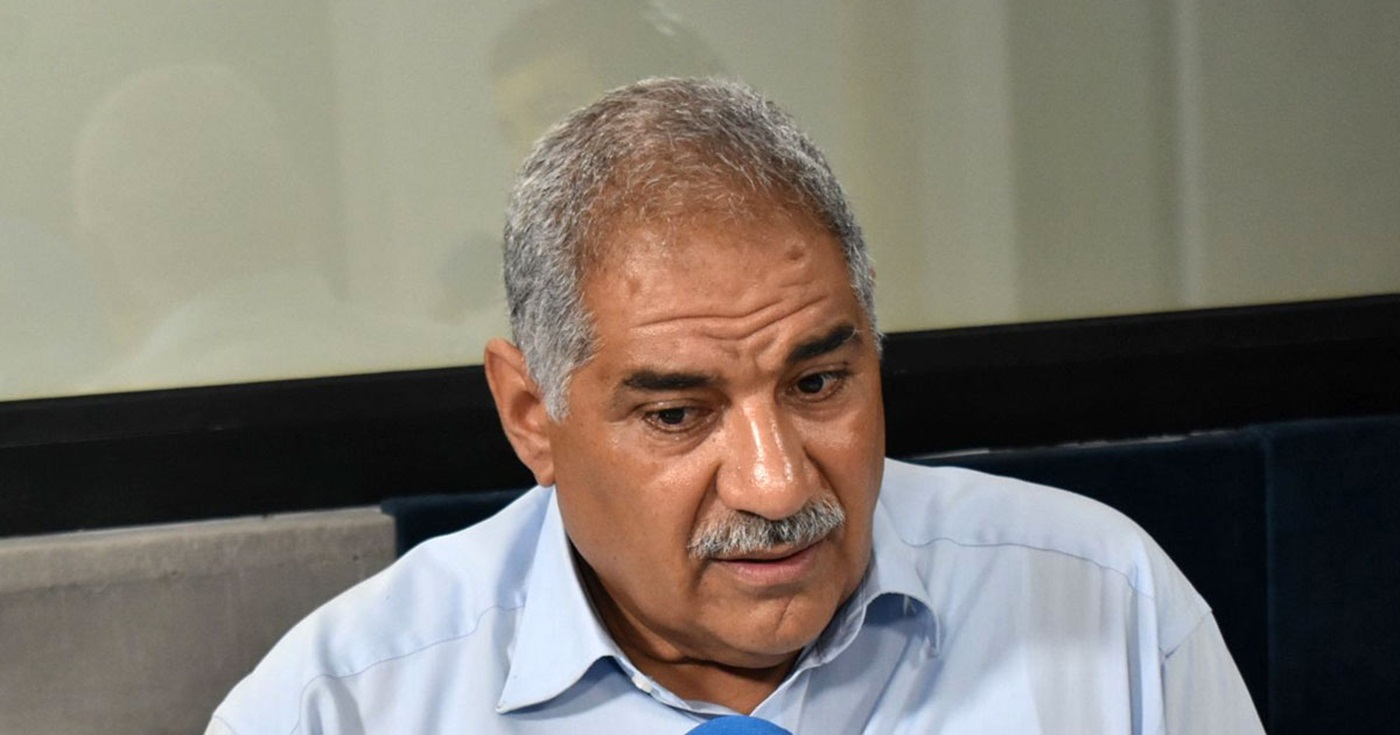
Lotfi Riahi, president of the Tunisian Consumer Information Organization (OTIC), said that the outsourcing of part of consular services to private intermediary companies has imposed multiple fees on applicants, lengthy waiting periods and complex navigation across various digital platforms.
In a statement to Africanmanager on Monday, Riahi criticized the fact that visa applicants lose all fees paid when their visa requests are rejected, even though they have not received the service they sought.
He called for a comprehensive overhaul of the system, including the possibility of full or partial reimbursement of fees in the event of a visa refusal, a clear separation between administrative costs and optional services and greater transparency regarding the reasons for visa rejections.
In response to these concerns, Riahi announced the launch of the “Tunis Declaration on Consumer Rights in Visa Services and International Mobility.”
According to him, the initiative is being led by a coalition of Arab and African associations seeking to reform what they view as an opaque, complex and costly system for citizens.
“This declaration represents the first common civil reference framework aimed at transforming individual complaints from visa applicants into an organized advocacy movement,” Riahi told Africanmanager. “The goal is to promote greater transparency and fairness in visa-related services and international mobility.”