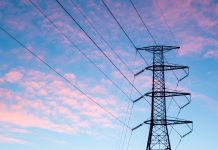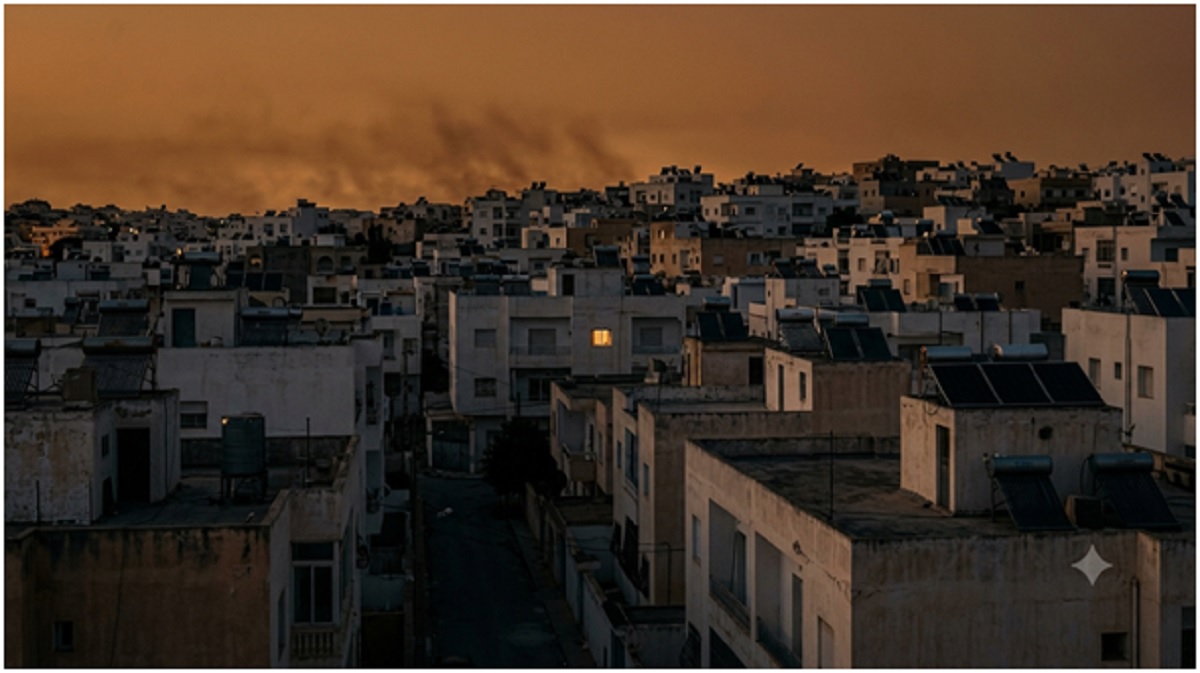
Tunisia’s electricity crisis is deepening as rolling power cuts spread across the country amid record-breaking temperatures, raising questions over the government’s preparedness and the long-standing structural weaknesses of the national power system.
Since July 12, the Tunisian Company of Electricity and Gas (STEG) has implemented rotating power cuts in several parts of the country, as electricity demand surged by 30% to around 5,000 megawatts, exceeding STEG’s generation capacity of 4,630 MW.
The crisis has been aggravated by extreme heat, with temperatures reaching 48°C in inland regions and as high as 49°C in Tozeur and Jendouba.
A widespread outage on the night of July 14-15 affected millions of households and was further exacerbated by an incident on the Algerian electricity grid, which reduced electricity imports to Tunisia at a critical moment.
The immediate trigger may have been the heatwave, but the crisis has exposed deeper problems within Tunisia’s energy sector, including chronic underinvestment, STEG’s heavy debt burden and the country’s growing dependence on imported natural gas.
A Crisis that was foreseeable
The current situation has raised questions over why Tunisia was not better prepared for the surge in electricity demand.
The National Institute of Meteorology had warned as early as May 1 that temperatures across the country were expected to exceed seasonal averages during the May-June-July period. A second bulletin issued on May 30 confirmed that average temperatures in June, July and August were expected to exceed the 1991-2020 reference averages nationwide.
At the time, observers warned that hotter weather would increase pressure on electricity consumption as households relied more heavily on air conditioning.
The risk was therefore publicly known more than two months before the first major power cuts. The question now being raised is what measures were taken between the initial warnings in May and the onset of the crisis in July.
A structural energy vulnerability
The current crisis is also highlighting vulnerabilities that have been building for years.
According to figures from the National Energy and Mines Observatory, gas purchased from Algeria accounted for 62% of Tunisia’s national gas supply at the end of April 2026, up from 58% a year earlier. At the same time, the share of domestic production declined from 27% to 26%.
Including the transit royalty transferred to STEG, which represents 12% of the total, nearly three-quarters of the gas consumed in Tunisia originates from Algeria, according to calculations cited in the analysis.
The country’s electricity generation system is heavily dependent on gas-fired thermal power plants, leaving Tunisia vulnerable to disruptions in both domestic supply and imports.
That vulnerability became apparent during the current crisis when an outage in Sidi Okba, Algeria, affected electricity imports at a time when Tunisia was facing peak demand.
The heatwave, therefore, may not be the root cause of the crisis but rather the factor that exposed the weaknesses of the country’s energy system.
STEG’s debt adds to the pressure
STEG’s financial situation is another major concern.
During a hearing before the Assembly of People’s Representatives (ARP) in June 2026, the state-owned utility said its debt had exceeded 7.3 billion dinars. At the same hearing, it emerged that outstanding payments owed to STEG had surpassed 6 billion dinars.
The company is facing delays in receiving state subsidies provided for in the national budget, while several government administrations and public companies have accumulated unpaid electricity bills.
This has created a paradox in which STEG, already struggling to finance investments in new generation capacity, is itself a major unpaid creditor of the public sector.
Despite the figures being made public in June, no major visible measures were announced before the power cuts began on July 12.
The daily load-shedding announcements issued by STEG have focused primarily on listing affected neighborhoods and areas, without addressing the broader financial and structural causes of the crisis.
Solar power offers no escape during outages
The crisis has also highlighted the limitations of Tunisia’s current model for residential solar energy.
Although self-generation is legally permitted under Law No. 2019-47 of May 29, 2019, residential photovoltaic installations generally remain connected to the electricity grid and operate without integrated energy storage.
As a result, households equipped with solar panels may still lose access to electricity during grid outages. When the grid goes down, their solar systems can also stop operating, despite the fact that the sun may be shining at the time.
The system therefore allows consumers to generate renewable electricity but does not necessarily allow them to operate independently of the national grid.
This has raised questions about whether Tunisia’s renewable energy framework is sufficiently designed to provide greater energy resilience and autonomy during periods of crisis.
Agricultural and industrial losses mount
The economic consequences of the power cuts are already being felt across several sectors.
Nearly 35% of Tunisia’s tomato harvest could reportedly be at risk of losses, according to a member of the National Tomato Union. In Nabeul, several processing plants have reportedly halted operations, leaving producers waiting for days to deliver their crops and increasing the risk of deterioration.
Industrial businesses are also facing significant disruptions. The president of the Union of Small and Medium-Sized Industrial Enterprises has pointed to lost working hours, paid labor without production, damaged raw materials and additional costs associated with restarting production lines.
Water distribution has also been disrupted in some areas because SONEDE’s pumping stations depend on electricity. Concerns have additionally been raised over households relying on electrical medical equipment, including patients requiring respiratory assistance or undergoing dialysis at home, with no publicly announced priority mechanism guaranteeing uninterrupted power supplies.
Communication Under Scrutiny
STEG’s handling of the crisis has also come under criticism over the lack of precise information provided to consumers.
Daily announcements have listed dozens of affected localities across Greater Tunis, Cap Bon, Sfax and the northwest. STEG has warned that additional areas could be affected depending on developments in grid conditions and electricity demand and that power could be restored without prior notice.
In some cases, consumers have been given broad outage windows extending over several hours, without a guaranteed duration or a precise restoration schedule.
For households and businesses, the uncertainty is particularly disruptive. Industrial operators, shopkeepers, cafés, restaurants and other businesses may be forced to operate without knowing whether or when electricity will be cut or restored.
Critics argue that such communication leaves consumers with little practical information about how to plan around the outages.
Parliament demands answers
The crisis has now reached Parliament.
On Tuesday, July 21, MPs submitted a petition calling for an urgent plenary session to question the Minister of Industry, Mines and Energy about the electricity crisis.
The lawmakers stressed that their initiative was not aimed at STEG or its employees but at the management of the crisis and the government’s response.
The distinction is significant. STEG’s technical teams are operating an increasingly strained electricity system under extreme weather conditions.
The broader issue, however, is the structural condition of Tunisia’s energy sector: years of insufficient investment, STEG’s mounting debt, the state’s unpaid bills, heavy dependence on imported gas and a renewable energy model that does not necessarily provide consumers with energy autonomy.
The heatwave may have triggered the immediate crisis, but Tunisia had been warned about the extreme temperatures since May 1.
The central question now is not whether the heatwave could have been predicted. It could.