Architect, researcher and academic Asma Gharbi said that the entirety of Tunisia has effectively become urban in character due to rapid urban expansion as well as the demographic, climate and social transformations the country is undergoing.
Speaking to Express FM on Friday, May 22, 2026, Gharbi explained that in 2025, the proportion of Tunisia’s population living in urban areas reached around 72%, while the consumption of urbanized land is estimated at nearly 4,000 hectares per year.
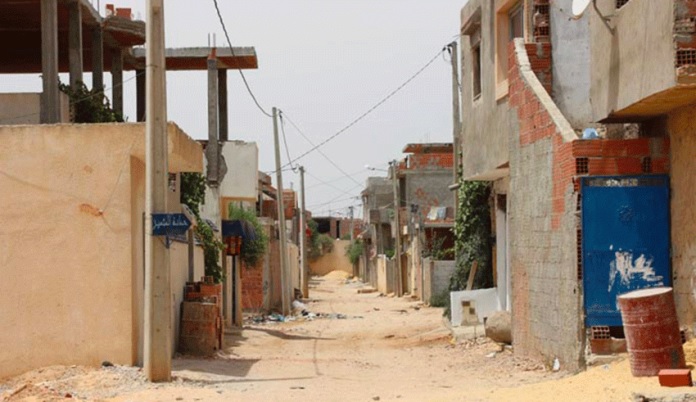
She noted that about 40% of these areas are being used in the context of chaotic urban expansion.
She added that nearly half of Tunisian households are still not connected to the National Sanitation Office’s network, which, according to her, reflects the scale of the challenges related to infrastructure and urban planning.
Gharbi believes that Tunisia’s main problem does not lie in the lack of laws or institutions, stressing that the country has a “solid and flexible” legislative and institutional framework.
According to her, the real difficulty lies mainly in the current model of sector-based governance.
She stressed the need to rethink the concept of sustainable construction within a comprehensive vision that goes beyond the building itself to encompass the entire urban and territorial space, in order to ensure a balance between urban development, environmental preservation and the aesthetics of cities.
Regarding proposed solutions, she called for the establishment of open territorial governance based on the publication of indicators and results, as well as the adoption of strategic dashboards, while broadening participation to the public and private sectors, civil society and citizens.
She also highlighted the importance of improving communication with residents and local stakeholders and moving from recommendations to legal obligations through the adoption of clear laws imposing sustainable construction standards, while ensuring their enforceability and social acceptance.