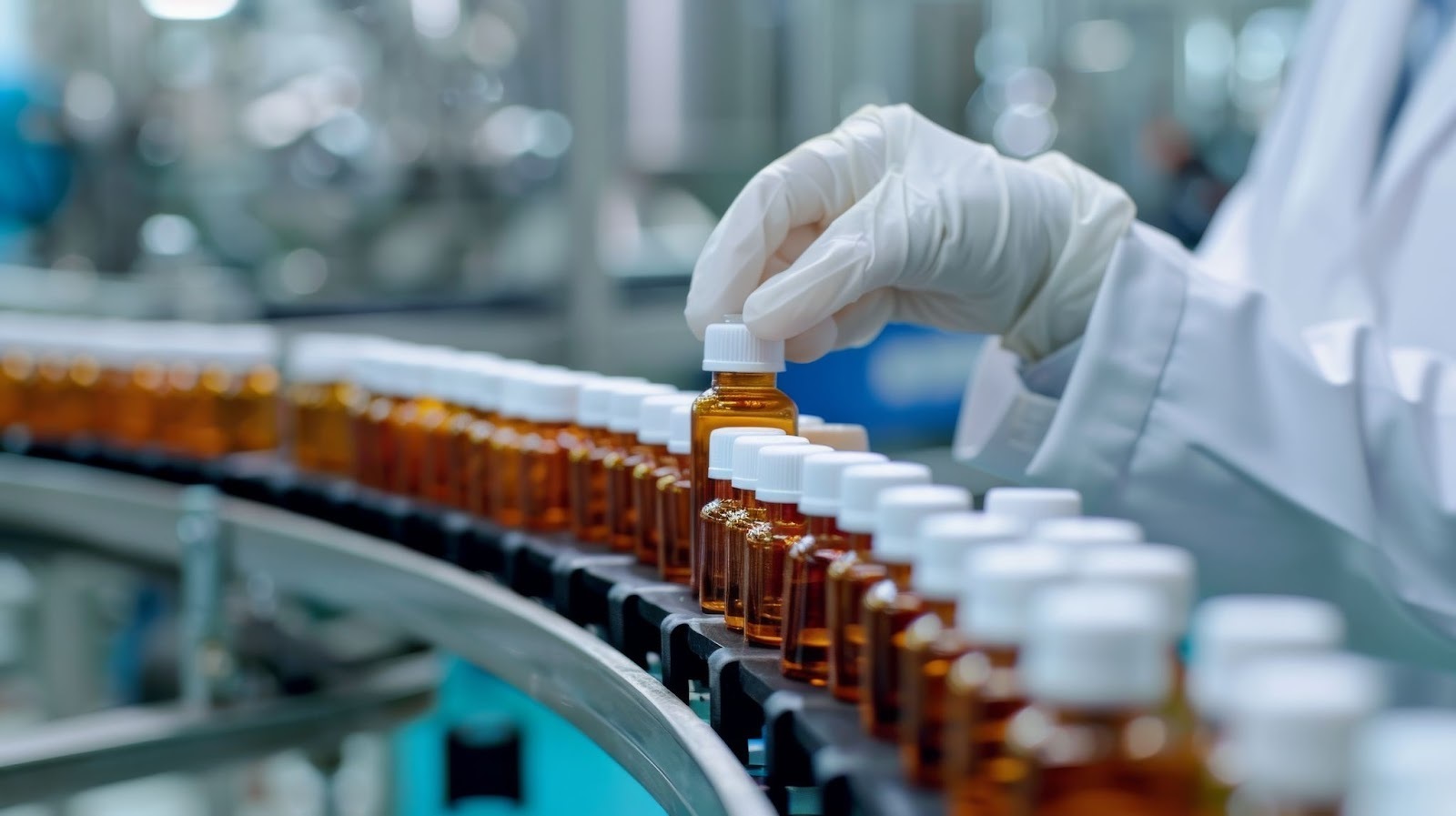
Tunisia now covers around 75% of its national medicine requirements, thanks to a pharmaceutical sector comprising over 40 manufacturing units and providing more than 8,000 jobs, announced the Chief of Staff of the Minister of Industry, Mines, and Energy.
She spoke at the opening of a forum on the biologics pharmaceutical industry.
In 2024, the sector exported 340 million dinars worth of products and now aims to expand the production of biosimilars, biological medicines with comparable efficacy at lower cost.
The ultimate goal is to reduce dependence on imports and open new export opportunities to Africa and Europe.
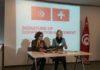
Organized by the Biotechpole of Sidi Thabet under the supervision of the Ministries of Industry and Health, in partnership with GIZ, the Tunisian Association of Generic Medicines (ATMG), and the National Chamber of Pharmaceutical Industries (CNIP), the forum brings together experts, industrialists, and health authorities to define a strategic roadmap and develop a registration guide for biosimilars, in coordination with the National Agency for Medicines and Health Products (ANMPS).
This development relies on a shared vision to integrate the sector into global value chains while adhering to international quality standards. Additionally, the Ministry is preparing a competitiveness pact to strengthen the Tunisian pharmaceutical industry.
Severe medicine shortages for months
It should be noted that Thouraya Ennaifer, Secretary-General of the National Council of the Order of Pharmacists of Tunisia (CNOPT), recently highlighted that the Tunisian pharmaceutical market has been experiencing shortages of certain medicines, particularly over the past week.
The shortages have affected vital medicines, including those for thyroid treatment, mental health disorders, and some cancers, most of which are imported drugs.
Quoted by TAP, Ennaifer explained that the situation is mainly due to financial and logistical difficulties at the Central Pharmacy of Tunisia, which is still awaiting payment of its receivables from the National Health Insurance Fund (CNAM).
She called for regular monthly meetings of the Pharmacovigilance Committee within the ANMPS to seek efficient solutions to overcome the crisis.
Ensuring equitable access to treatment
Kamel Idir, President of the Tunisian Association of Generic Medicines and an expert with the World Health Organization (WHO), stated that rationalizing medicine use is a key pillar of pharmaceutical policy.
He emphasized that promoting generics and biosimilars is crucial for developing global health systems, reducing costs, and ensuring equitable access to treatment.
Idir noted that 60% of Tunisia’s medicine needs are met by the national generic industry, launched in the 1990s. However, he acknowledged that the sector faces challenges despite generics offering the same therapeutic benefits as brand-name medicines.
In a context marked by supply disruptions, he called for collective efforts to provide Tunisians with the best medicines at the lowest cost.
To this end, the Tunisian Association of Generic Medicines has signed an agreement with the Faculty of Pharmacy to encourage the use of generics.