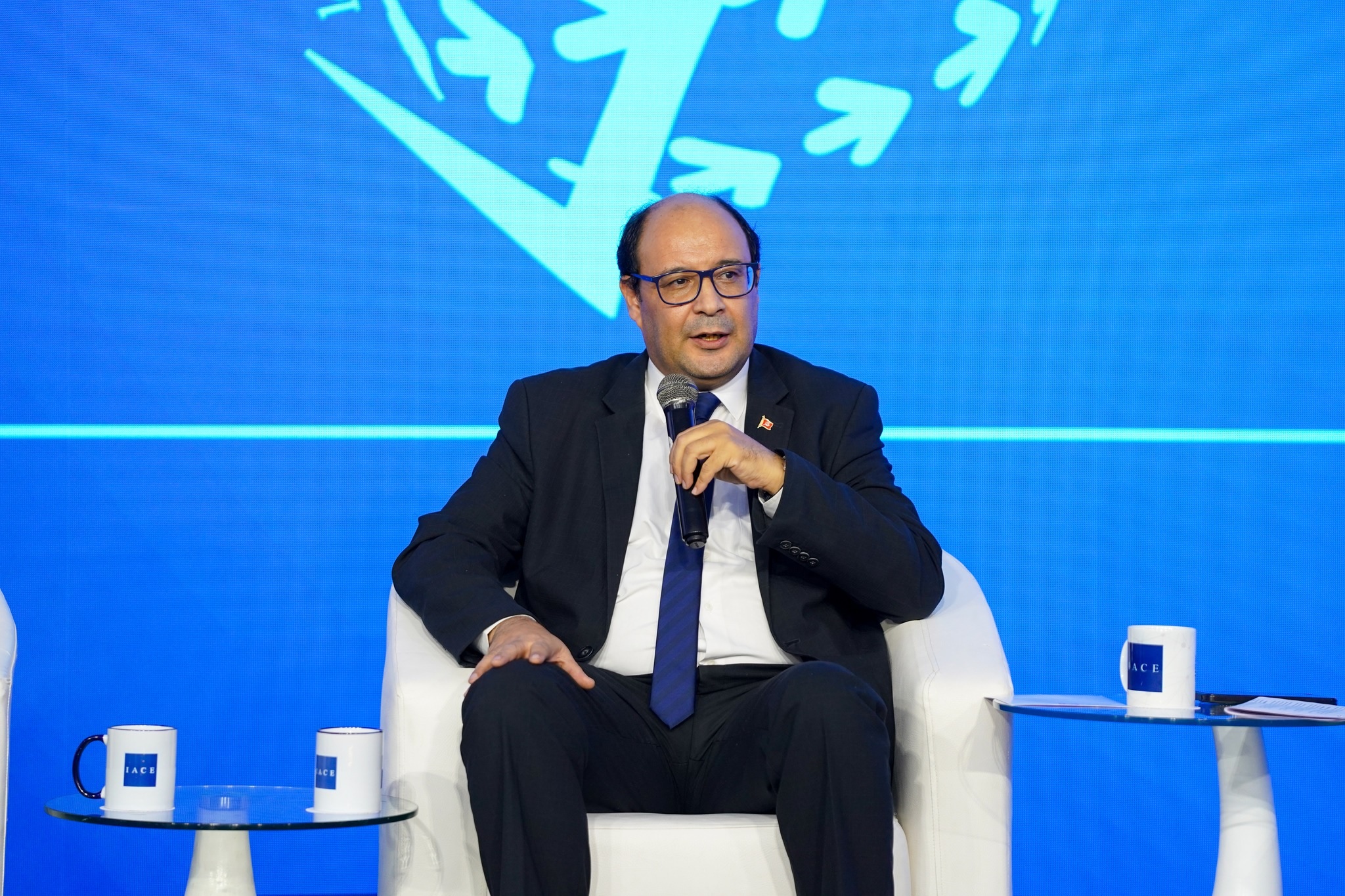
Tunisia aims to digitize 80% of its administrative services by 2030, a move seen as the most effective way to combat corruption and improve the business climate, said Minister of Communication Technologies Sofiene Hemissi during a panel on “An Administration for a Resilient Economy” at the 39th Business Days event.
He added that revising the Public Procurement Code will open more opportunities for startups and strengthen their capacities to participate in tenders.
This revision is part of the integrated 2026–2030 five-year plan, focused on artificial intelligence, digitization, and horizontal coordination between administrations.
The minister noted that full digital services across all 24 ministries will be completed within two years, alongside a unified mobile app for administrative services.
The goal is to simplify procedures for citizens and businesses, providing easy access to essential documents such as national ID cards, passports, vehicle stickers, and tax declarations through a unique identification number.
He emphasized the need to train dedicated human resources for this transition.
Regarding the subcontracting law, Hemissi explained that it protects occasional and short-term work in service companies while eliminating precarious employment and abusive practices by “shell companies” that hire staff outside legal frameworks with unequal pay.
Digitization of customs procedures
Mohamed Hedi Safer, Director General of Tunisian Customs, said that digitizing customs procedures is an ongoing process to simplify operations and provide a single point of contact for import and export activities.
The “national economic operator” mechanism is a key tool to unify and streamline procedures, facilitate access to foreign markets, reduce delays, and enhance business competitiveness.
He added that the mechanism includes a risk management system for companies that fail to meet customs and administrative obligations, and that Customs collaborates with other agencies, such as health and technical control bodies.
On staff readiness for digitalization, Safer confirmed that all personnel are engaged in the process and implementing the digital transformation plan. Opening the sector to startups providing digital solutions will require legal reforms.
The Customs DG expressed hope to reach 30% digitization of customs procedures by the end of 2026, with gradual deployment of project components while reducing port wait times.