The Tunisian Hotel Federation (FTH) has stated that Draft Law No. 93 of 2025, which aims to establish a national social tourism system, could create numerous legal and socioeconomic issues.
Conflict with competition and pricing laws
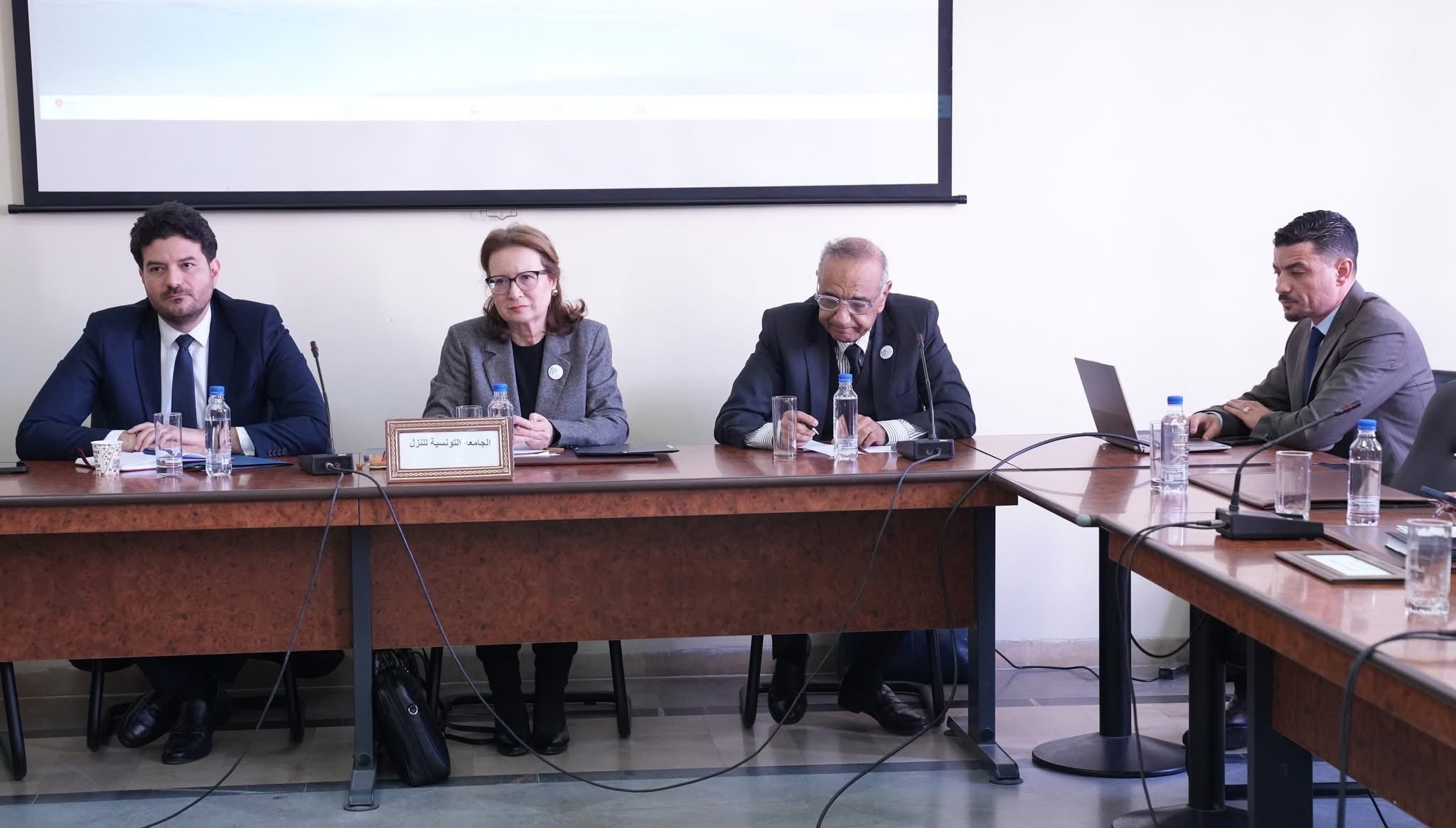
During a hearing last Thursday before the Tourism, Culture, Services, and Handicrafts Committee of the Assembly of People’s Representatives, the Federation strongly emphasized that the provision requiring tourist establishments to allocate a mandatory 30% of their capacity to social tourism raises serious legal and social concerns.
Chief among these is the clear violation of the principle of contractual freedom, along with threats to business autonomy and restrictions on their ability to manage services according to market rules.
Jalel Eddine Henchiri, Vice President of the FTH, stated that this proposal directly contradicts investment freedom, as the Investment Code guarantees investors the right to choose their activity and define their business strategy.
Forcing them to comply with a set quota for social tourism constitutes an unjustified restriction on their operations and undermines the sector’s attractiveness to investors.
He also noted that the proposal violates competition and pricing laws, which are designed to ensure price freedom and prevent interventions that could disrupt market balance, adding that imposing a mandatory quota is a direct interference that could create unfair competition among establishments.
The Federation further warned that the current draft’s wording would inevitably lead to a decline in tax revenue, especially in foreign currency inflows, which are crucial for the country.
Contents of the Draft Law
Draft Law No. 93 of 2025 was introduced by a group of MPs to promote social justice in access to tourism services, ensuring that all citizens, particularly those with low or middle incomes, have the right to benefit.
Article 4 of the draft requires tourist establishments to dedicate a minimum of 30% of their accommodation and services to national social tourism programs year-round. This measure aims to promote inclusion for social categories that have historically been marginalized or absent from the traditional tourism map.
Article 6 emphasizes the need for both public and private tourism establishments to adhere to the principle of social responsibility by dedicating part of their services to social tourism and providing vulnerable and middle-income groups with fair and accessible tourism offers. Compliance is stipulated as a prerequisite for eligibility for fiscal and financial incentives provided under this law.
Social tourism is defined in the draft as all tourism activities and services primarily intended for citizens, especially low-income groups, guaranteeing access to leisure, accommodation, transport, and cultural enrichment in public or tourism spaces, at subsidized rates, within coordinated national programs supervised by competent institutions.
30% of hotels closed
The FTH affirmed its support for initiatives that promote access to tourism for disadvantaged social groups. However, it stressed that the success of social tourism requires a balance between social justice and the viability of tourism establishments, which play a major role in national economic development and employment.
The Federation proposed an alternative strategy based on five axes, mainly replacing the mandatory quota with voluntary, incentive-based mechanisms that provide participating establishments with fiscal, social, and professional benefits, rather than imposing difficult-to-implement legal requirements that conflict with existing legislation.
It also suggested increasing domestic tourism capacity through a dedicated fund, adopting measures for reopening closed hotels (estimated at 30% of the sector), mobilizing university residences and accommodation under the Ministries of Youth, Sports, and Health, launching Tunisian holiday vouchers, and implementing beach cleaning and rehabilitation programs.
Key indicators
The Federation highlighted that tourism is a fundamental pillar of the Tunisian economy, generating foreign currency, supporting financial balances, and creating numerous direct and indirect jobs.
In 2024, direct tourism revenue reached 8.072 billion dinars, with a direct added value of 7.844 billion dinars. Overnight stays totaled 29.2 million. In 2023, tourism and remittances from Tunisians abroad jointly covered 164% of the external debt service. By July 2025, coverage was 95.5%, rising to 120.9% by September, according to the Central Bank of Tunisia.
In January 2026, the Central Bank confirmed that tourism remained a key source for strengthening Tunisia’s foreign currency reserves in 2025, despite mounting external balance pressures, with tourism revenues reaching 8 billion dinars. Without improved tourism receipts, import coverage days would have fallen below the critical threshold of 100 days.