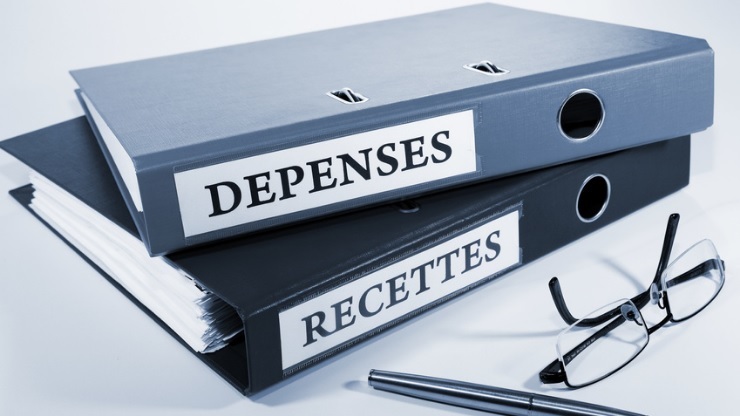
The government has introduced strict rules aimed at controlling the wage bill and operating expenses by directing recruitment exclusively toward vital sectors and capping promotions at a maximum rate of 40%.
These guidelines are outlined in Circular No. 2, issued on April 14 and addressed to ministers and secretaries of state as part of preparations for the 2027 state budget.
The Prime Ministry recalled that the wage bill reached a record level of 16.1% of GDP in 2020, making control measures necessary. In this context, the wage policy planned for 2027 must balance financial stability, improved public service quality, reinforcement of the state’s role in employment, and contribution to reducing unemployment.
The document also sets a target to limit the growth of operating expenses to a maximum of 3% compared to 2026, calling on public enterprises to implement concrete programs to rationalize the consumption of energy, water, and fuel.
At the same time, while reaffirming its commitment to its social role and the principle of equity, the government announced its intention to reform the subsidy system to improve efficiency and better target actual beneficiaries.
In this context, authorities also plan to reform social security and public healthcare systems, with the aim of ensuring the constitutional right to universal social coverage.
The plan represents a shift away from traditional public resource management methods, favoring an approach designed to strengthen the resilience of the national economy to external shocks and reinforce national sovereignty.
The circular specifies that the 2027 state budget is a key milestone in the 2026–2030 development plan, aimed at stimulating growth drivers and creating wealth by leveraging national resources and developing high value-added sectors.
It outlines a clear roadmap to control the wage bill while respecting career progression, through modernized recruitment focused on priority, vital sectors and digital transition. It also emphasizes workforce redeployment to fill vacancies in understaffed sectors using surplus personnel from overstaffed ones, thereby avoiding unnecessary new hires.
The document also puts an end to the inclusion of fictitious or insufficiently developed projects in the state budget, prioritizing only those with completed technical and financial studies.
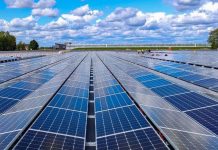
Additionally, the circular includes environmental protection measures such as generalizing energy-saving systems, expanding the use of photovoltaic energy in public administrations, and reactivating GPRS (General Packet Radio Service) tracking systems to monitor government vehicles and significantly reduce fuel consumption. It also calls for rationalizing water use through rainwater collection in public facilities.
According to the same source, ministries are required to submit their proposals for the 2027 state budget by June 15, 2026. Discussions on sectoral budgets with the Ministry of Finance are to be finalized by the end of August, ensuring that the draft finance law is submitted within constitutional deadlines (October 15, 2026) to the Assembly of People’s Representatives and the National Council of Regions and Districts.