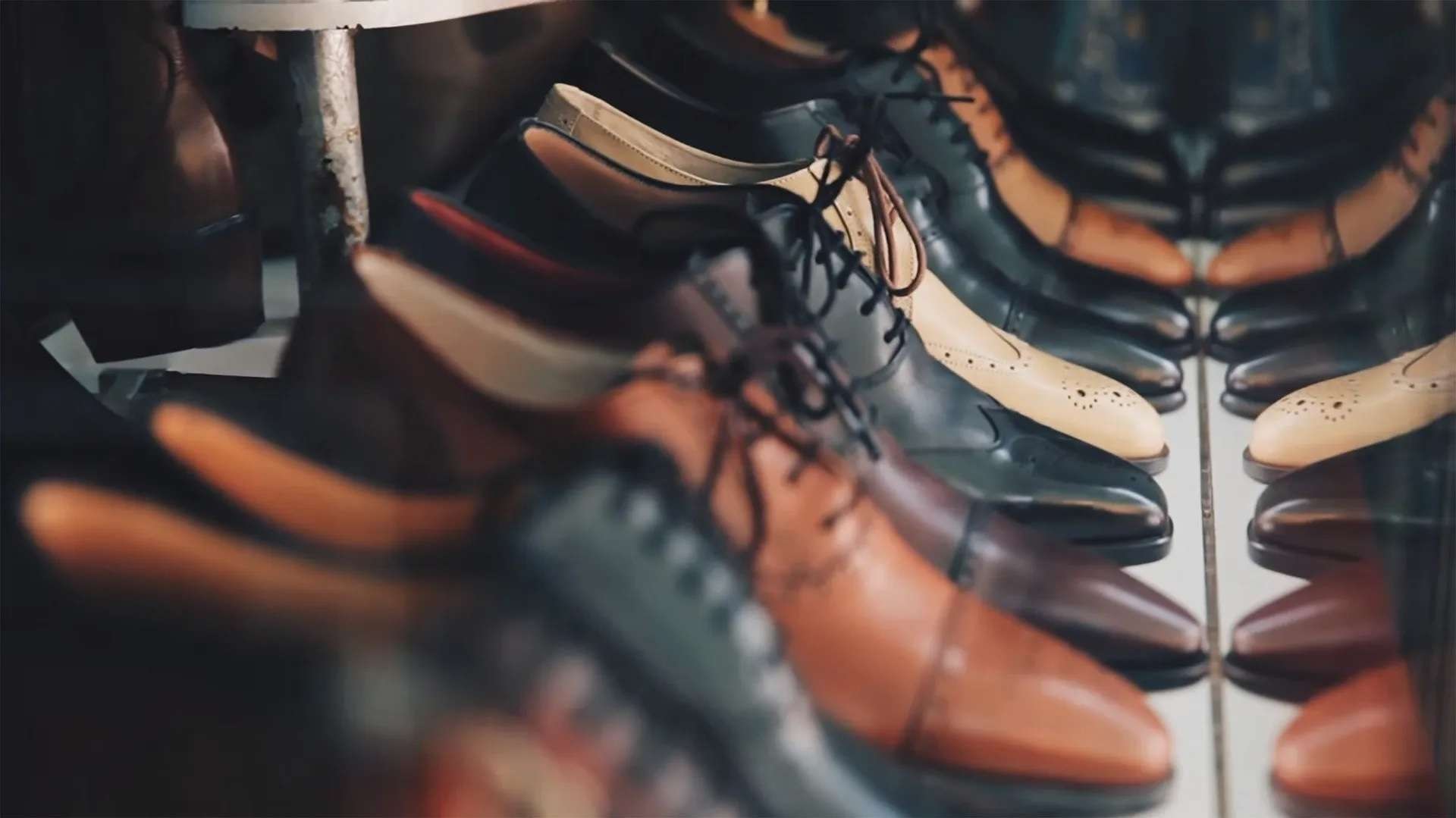
The leather and footwear sector is currently going through a delicate transition phase, but with positive indicators and promising prospects for regaining its historic place in the national economy, said Riadh Benrjeb, Director General of the National Leather and Footwear Center.
Speaking on Express FM, he stressed that the center is working to keep pace with transformations linked to digitalization and artificial intelligence, particularly through the integration of smart machines and digital equipment across various stages of production.
He noted that the traditional leather and footwear industry is no longer based solely on craftsmanship, as it once was.
The sector now requires new technical skills, with manufacturers seeking technicians trained in the use of digital equipment and the management of smart production lines. In response to this shift, the center is implementing tailored training and qualification programs.
The Director General of the National Leather and Footwear Centre revealed that the sector continues to deliver strong export performance, reaching around 2.1 billion dinars in 2025, with a trade coverage rate of nearly 167%. Tunisian products also maintain a strong presence in key European markets such as France, Germany and Italy.
He added that the first months of 2026 have also shown positive indicators, potentially pushing exports close to 2.4 billion dinars by the end of the year.
He further emphasized that many foreign investors, particularly Italians, continue to view Tunisia as a major industrial hub in the leather and footwear sector, thanks to skilled labor and accumulated industrial expertise.