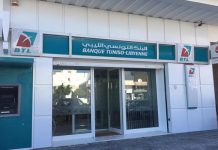
As part of monitoring the economic situation and managing foreign exchange reserves, and in an approach that effectively places stricter controls on financing imports of “non-priority” goods, the Central Bank of Tunisia issued Circular No. 2026-4 on March 26, 2026. This new regulation sets stricter conditions for financing imports of products deemed non-essential.
The key innovation of this circular lies in the prohibition imposed on banks (authorized intermediaries) from granting financial support (loans, advances, guarantees) for importing a specific list of products.
In practical terms, importers must now provide, from their own funds, cash deposits covering 100% of the value of the intended import before carrying out any transaction.
This measure applies regardless of the payment method used: letters of credit, documentary collections, transfers, or bills of exchange.
Which products are concerned?
The list, drawn up by the Ministry of Trade, covers a wide range of consumer goods and non-essential equipment, including:
• Vehicles: Passenger cars and other motor vehicles.
• Everyday consumption goods: Cheese, honey, fresh and dried fruits (pineapples, avocados, bananas), canned tuna, sweets, and chocolate.
• Household appliances: Refrigerators, air conditioners, washing machines, cooking appliances, and televisions.
• Fashion and luxury items: Clothing, perfumes, cosmetics, leather goods, and carpets.
• Miscellaneous products: Alcoholic beverages, mineral water, and household items made of plastic or ceramic.
Exceptions to preserve investment, are they sufficient?
To avoid harming industrial activity and public services, the Central Bank of Tunisia has provided for four major exceptions (Article 4):
• Public procurement: Imports carried out on behalf of the State, public enterprises and local authorities.
• Industrial activity: Imports directly related to industrial operations (subject to a technical sheet from the Ministry of Industry).
• Inward processing regime: Goods imported for transformation and subsequent re-export.
• Prior commitments: Transactions for which bank financing had already effectively begun before the circular was issued.
With this new circular, authorized intermediaries are required to carry out all necessary checks, particularly regarding product classification, to ensure full compliance with the regulation.