The financial results of Tunisian tire manufacturer STIP continue to deteriorate year after year, and the company’s situation is becoming increasingly difficult.
After posting a small profit of 0.613 million dinars in 2013, the company’s 2024 financial statements, only published on October 2, 2025 on the Financial Market Council (CMF) website, reveal a massive deficit of nearly 8 million dinars.
Revenues for 2024 were slightly higher than in 2013 (140 million dinars vs. 137.4 million dinars), but operating expenses — particularly those related to finished product inventories, soared. The report also reveals that the company halted production at one point due to overstock.
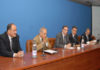
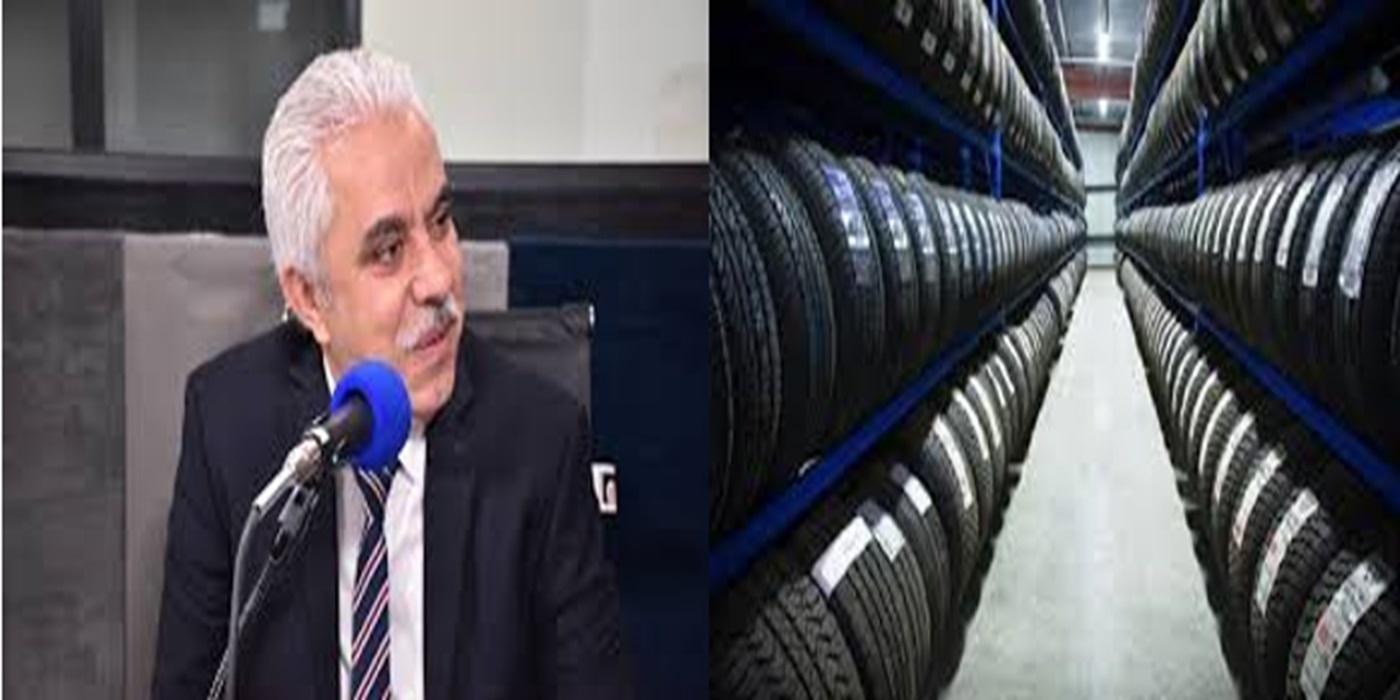
Until now, these issues did not seem to hinder the company run by the Dridi family (including Montassar, who sits on the board of the Industrial Rubber Works Company (SIOC), which shows a debit balance of 337,659 dinars) and CEO Khemis Baba (pictured above), who earns a net annual salary of 120,000 dinars.
What’s the link between the AGO and the net result? And what are these “gains”?
Despite everything, STIP ended 2024 with a positive operating result of about 2.558 million dinars. But financial expenses, already close to 11 million dinars in 2023, dragged the company down.
With total financial charges and income exceeding 10.159 million dinars, and despite a minimal tax rate (2%), the final result plunged into the red, with a net loss of 7.933 million dinars.
The former state-owned company, privatized several years ago, returned to losses after four prosperous years, during which profit declines were already visible — almost expected.
Profits peaked at over 142 million dinars in 2020 after a 7 million dinar loss in 2019, but have since plummeted: 23.5 million in 2021, less than half that (11 million) in 2022, and just 0.613 million in 2023. The “other ordinary gains” category, once a key support to the bottom line, no longer contributed as it used to.
What is STIP doing to “reinflate” its tires?
Auditors raised several red flags in their comments on the company’s financial statements.
“Due to cumulative losses as of December 31, 2024, STIP’s equity stands at 6,066,397 dinars against a share capital of 12,623,469 dinars, i.e. 245,375 dinars below half of the share capital. In accordance with Article 388 of the Commercial Companies Code, the Board of Directors must convene an Extraordinary General Assembly within four months of the approval of the accounts to decide on the company’s future.”
They also noted:
“The Ordinary General Assembly to approve the financial statements for the year ending December 31, 2024 did not meet within six months of the date the accounts were closed. This is in violation of Article 275 of the Commercial Companies Code.”
And if Customs is right? How big would the provision need to be, and what would its impact be?
The auditors further warned:
“We draw your attention to the uncertainty regarding the ongoing dispute between STIP and the Customs Administration over the non-repatriation of export proceeds from 1999 to 2005.
To date, management has settled most of the cases raised by Customs. Although the final outcome remains uncertain at this stage, management believes the company’s position is defensible and therefore did not recognize any provision in the financial statements.”