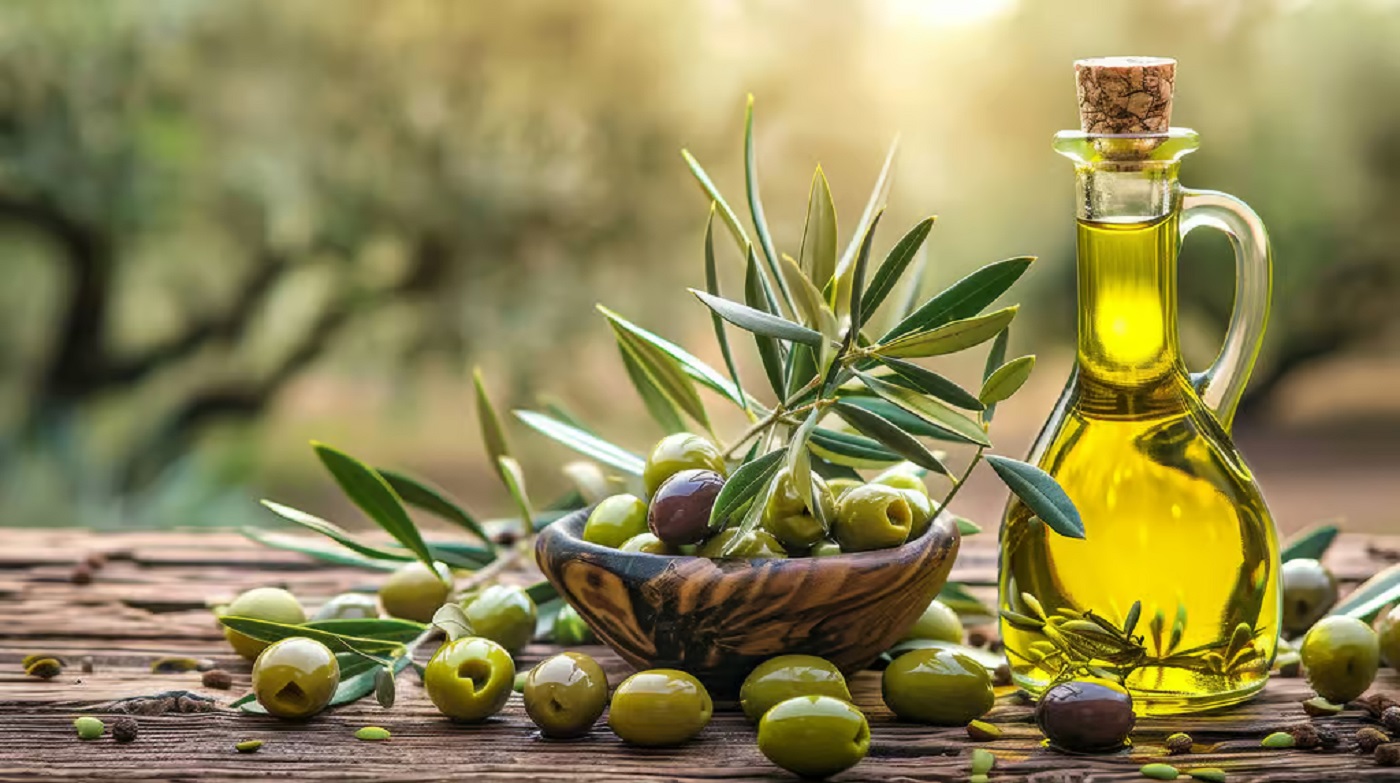
Tunisia has proposed expanding trade cooperation with Pakistan, with a particular focus on the olive oil sector, as both nations seek to deepen economic and people-to-people ties.
The proposal was put forward by Tunisian Chargé d’Affaires Dorasaf Maaroufi during an event in Islamabad commemorating Tunisia’s Independence Day, according to the site diplomaticinsight.
The gathering was organized by the Centre for Afghanistan, Middle East & Africa (CAMEA) at the Institute of Strategic Studies Islamabad (ISSI), in collaboration with the Pakistan Africa Institute for Development and Research (PAIDAR).
Maaroufi underscored the longstanding historical relationship between the two countries, acknowledging Pakistan’s continued support for Tunisia in international forums such as the United Nations.
She stressed the importance of building on this diplomatic foundation through enhanced cooperation in trade, culture, and tourism, according to the same source.
Identifying Tunisia’s expertise in organic olive oil production as a strategic asset, Maaroufi suggested that a Preferential Trade Agreement could serve as an effective mechanism to advance bilateral collaboration in this sector. Such an agreement, she noted, would improve market access and facilitate trade to the mutual benefit of both economies.
Ambassador Khalid Mahmood observed that while current bilateral trade volumes remain modest, significant growth potential exists, particularly through institutional frameworks and broader regional trade arrangements.
Senator Mushahid Hussain Sayed highlighted the shared political and diplomatic history between Tunisia and Pakistan, noting their aligned positions on key international issues, including support for Palestine and cooperation within the Global South. He called for stronger economic, educational, and cultural linkages to further solidify the relationship.
Pakistan’s Ambassador to Tunisia, Javed Ahmed Umrani, pointed to encouraging trends in bilateral trade and ongoing engagement between business communities. He referenced recent trade delegations and agreements aimed at fostering commercial cooperation, while acknowledging that further efforts are required to unlock untapped potential.
Other participants, including honorary consular representatives, emphasized the importance of expanding trade agreements, improving business-to-business connectivity, and exploring technology transfer, particularly in olive oil production and related value chains.
Both sides expressed optimism regarding the future of bilateral ties, with olive oil trade emerging as a cornerstone of potential collaboration, alongside broader economic and cultural partnerships.