As expected, the Geneva negotiations on plastic pollution ended in failure. But many refuse to give up, such as the parliamentarians of the international coalition ICEPP, of which Tunisia is a member.
They are determined to continue a “coordinated” fight against this scourge. “This deadlock is a collective lesson: consensus at any cost has once again proven incapable of producing a treaty that meets the urgency of the crisis, so long awaited by the entire world. While multilateral processes require time and patience, they can also reinvent themselves and take various forms,” the coalition stated in a press release.
In practice, about fifty parliamentarians from more than 30 countries will mobilize, united by a common will, to work together to resolve this crisis.
Riadh Jaidane, a member of ICEPP who attended the Geneva negotiations, stressed that “Tunisia’s position in these negotiations was clear. It supports a binding treaty despite the resulting need to change laws, certain economic production systems, and even mindsets.”
“Unfortunately, after 10 days of negotiations, the 184 countries gathered in Geneva were unable to adopt a binding treaty to end plastic pollution, despite all the efforts of civil society, our coalition, and all the states that share our position,” he regretted in a statement to TAP.
“It is unfortunate for our planet, but we will not give up. The fight goes on. Around 50 parliamentarians have decided to act at the national level, each in their own country, to propose initiatives and, why not, draft laws against plastic pollution, which disfigures our environment and poses a real danger today to human health and to younger generations, particularly microplastics, which are everywhere.”
“As a Tunisian parliamentarian, I believe that the fight against plastic pollution transcends borders and requires coordinated action at the highest intergovernmental but also interparliamentary level,” Jaidane said.
Defending an “ambitious and binding” treaty
The Tunisian parliamentarian also stressed the urgency of intensifying “advocacy with our respective governments to defend an ambitious and binding treaty that truly tackles the root causes of this environmental crisis.”
He expressed optimism about future awareness and about “our collective ability to meet the challenge of plastic pollution.
With the determination of parliamentarians worldwide, the growing commitment of civil society, and technological innovation, we have all the tools needed to turn this crisis into an opportunity.”
According to the Inter-Parliamentary Coalition to End Plastic Pollution (ICEPP), “the interest of our citizens and the protection of the environment in which they are born and grow must be the compass of all action. As elected representatives of the people, it is also our duty and our commitment.”
The coalition members also called on governments around the world to continue discussions with efficiency and determination, in order to reach an ambitious, legally binding, and clearly defined treaty, capable of addressing the urgency and scale of global plastic pollution.
Capacity to act remains intact
They believe that the absence of a treaty today “in no way diminishes our ability to act. Our coalition remains mobilized: whatever the outcome of the negotiations, we will continue this fight.
With or without a text, we will work tirelessly and use all legislative tools at our disposal to make our citizens’ voices heard.
Faced with the urgency of the plastic crisis, we will act in a spirit of collaboration and with the highest standards of environmental and health protection.”
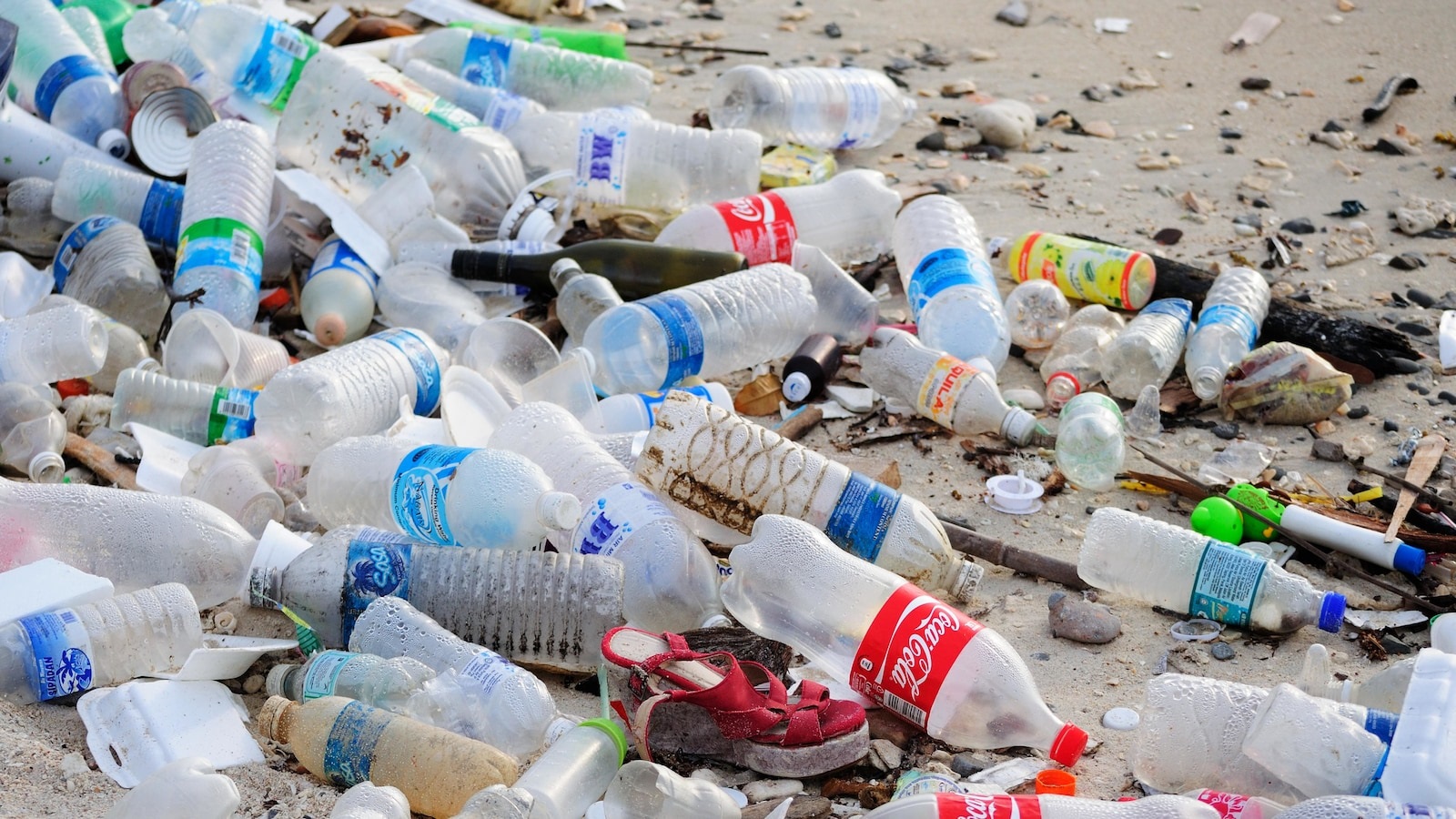
It should be recalled that Tunisia, like all Mediterranean countries, is heavily affected by plastic pollution, particularly in the marine environment and on beaches.
As part of the “Adopt a Beach” program to monitor marine litter in Tunisia in 2023–2024, field data collected by WWF North Africa, Tunis office volunteers on various Tunisian beaches showed that plastic waste largely dominates the coasts.
More than 30,000 small plastic fragments, 23,000 plastic caps, 17,000 plastic straws, and 12,000 pieces of polystyrene were detected and collected.
Large quantities of cigarette butts were also recorded, exceeding 78,000. A single butt can pollute up to 500 liters of water.
Moreover, cigarette butts contain toxic chemical substances that can harm marine wildlife and ecosystems.
The highest pollution rates were recorded on the beaches of Kheireddine (3,766 fragments/100 meters) and Mahdia (1,775 fragments/100 meters).
According to WWF North Africa, these data highlight the urgent need to change our behaviors and to strengthen awareness and environmental protection efforts.