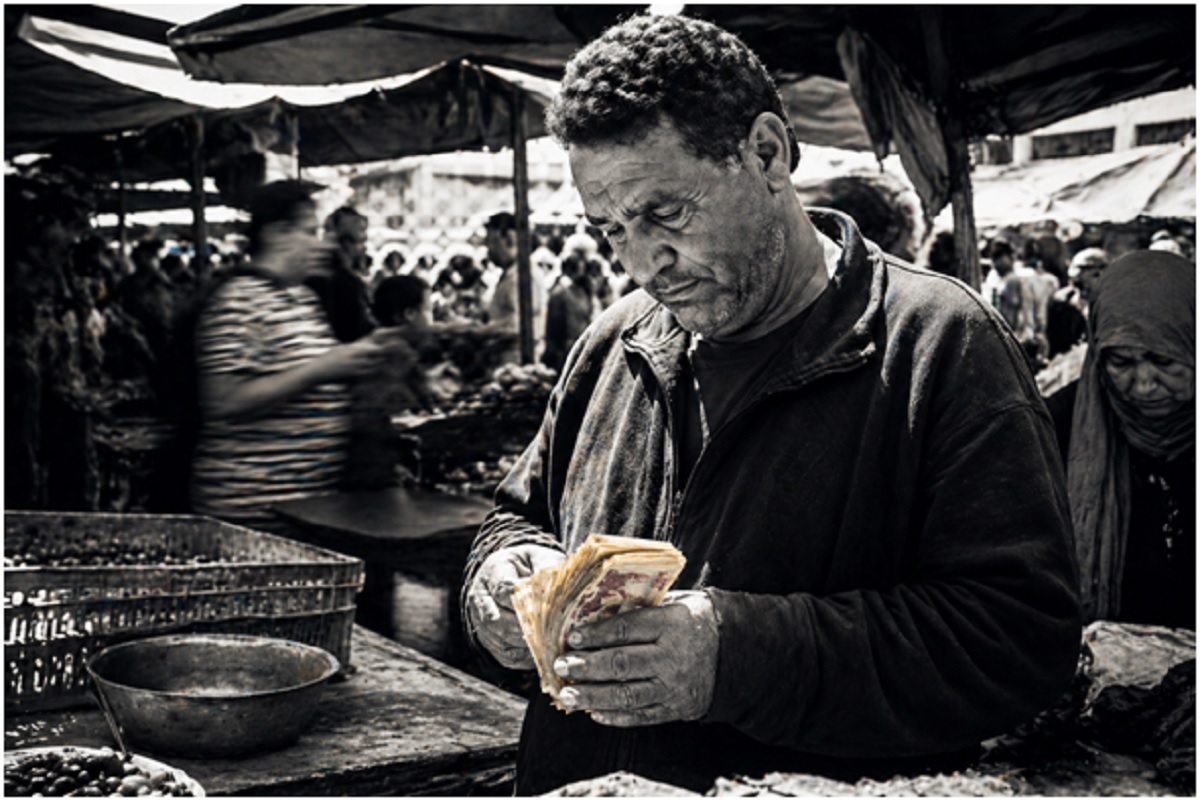
The Tunisian economy is sinking into a so-called “cashification” that remains largely unspoken. This phenomenon is not a sign of renewed vitality, but rather the symptom of a deep-rooted problem.
In a healthy economy, an increase in cash in circulation is insignificant. In Tunisia, it has become the stethoscope of an economy running out of breath.
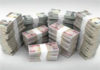
Figures published by the Central Bank of Tunisia (BCT) as of April 24, 2026, are staggering. Currency in circulation reached 27,961 million dinars. In just one year, the cash mass has grown by more than 4.4 billion dinars. This rapid pace reflects the silent collapse of the scriptural (bank-based) economy. Households and businesses are turning away from banks, relying instead on cash to secure their day-to-day transactions as best they can.
The State as a predator of banking resources
This shift toward cash conceals a brutal crowding-out mechanism.
The heavily indebted Tunisian state is absorbing available credit. With limited access to international markets, the Treasury has become a predator of local liquidity. Sovereign rating downgrades by Moody’s and Fitch have shut the door to external financing or made it prohibitively expensive. The recent experience with Afreximbank is a clear illustration of this reality.
The state has little choice but to tap into national savings, absorbing resources that banks would otherwise channel into private investment.
Public debt has now reached 84% of GDP. Banks’ exposure to the public sector is close to 20% of their total assets. This drain on resources is choking financing for SMEs and households. Mortgage lending and consumer credit are under strain and risk collapsing.
At the same time, new legislation on cheques has acted as an accelerator. By complicating this payment instrument, without adequately considering alternative means, the legislator has pushed economic agents toward the only remaining refuge: cash.
Inflation fueled by the informal sector
The consequences for the real economy are severe. Investment remains below 11%. This large volume of cash, with no productive backing, is fueling creeping inflation in informal circuits. The economy is splitting in two.
On one side, a formal sector suffocated by high interest rates, burdensome bureaucracy, and unpredictable taxation.
On the other, a grey economy where cash reigns supreme, escaping oversight, especially tax control.
The Central Bank is trying to curb the drift through a restrictive monetary policy, but its room for maneuver is limited.
Liquidity injected to support the state is driving money creation that cannot be sterilized. The vicious cycle is nearly locked in. The less banks lend to the private sector, the more economic agents prefer immediate liquidity.
The fewer deposits feed the system, the more lending capacity shrinks. The engine of growth is deprived of fuel, sacrificed to the state’s budgetary survival.
In this context of extreme tension, the ship is rocking. The trajectory is clear, but the will to break away is still missing.