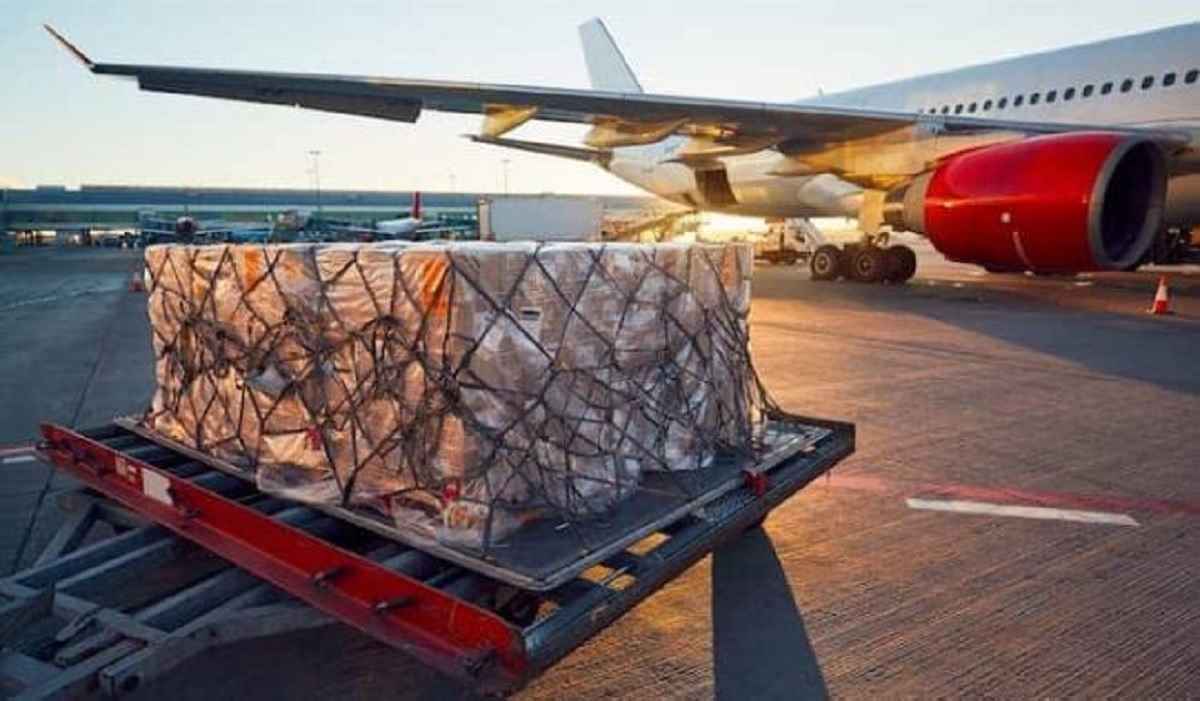
It is entirely reasonable for air cargo to become a potential lever for Tunisia’s economic resilience rather than just a supplementary transport activity. However, infrastructure and organizational constraints have left this sector underexploited, according to a recent analysis by the Association of Tunisian Economists (ASECTU).
The study, titled “Unleashing the Power of Air Cargo: A Strategic Lever for Resilience, Competitiveness, and African Integration” by economists Yamina Jlaiel and Hanene Ben Ouada Jamoussi, highlights a structural paradox facing the Tunisian economy: while integration into global value chains is crucial for competitiveness, growth, and resilience against external shocks, one of its main economic performance drivers, logistics, particularly air logistics, remains underdeveloped.
This creates a persistent gap between Tunisia’s geostrategic potential and its actual ability to capture, process, and secure high-value flows. The misalignment is especially concerning in a global context of rapidly changing trade rules, where speed, supply chain reliability, and shock absorption are central to competitiveness. Each logistical delay, disruption, or reliability issue risks eroding market share, reducing investment attractiveness, and weakening international positioning.
Once a “peripheral” activity
According to ASECTU, Tunisia’s air transport sector developed primarily to support mass tourism, reflecting historical economic priorities. Infrastructure, services, and investments were largely passenger-focused, leaving air cargo as a secondary, unplanned activity.
“This path limited the emergence of an integrated cargo ecosystem. Airport infrastructure, operational procedures, business models, and coordination mechanisms were designed for passenger mobility, sidelining air logistics. As global value chains became more complex,
emphasizing speed, reliability and traceability, this gap widened.”
Air cargo: A fast-rebound capacity
Despite representing a small share of Tunisia’s trade volumes, air cargo captures a significant portion of trade value, supporting strategic exports, supply chain reliability and employment, closely linked to economic growth.
Econometric analysis from 1990–2021 shows air cargo is the most resilient transport mode, with rapid rebound capacity after major shocks, unlike passenger transport, which is more vulnerable.
In a context of global value chain restructuring and intensified logistics competition, air cargo could become a key lever for Tunisia’s economic resilience, external competitiveness, and regional integration.
Challenges and the path forward
Current limitations are not due to lack of demand or geographical/economic assets, but infrastructure, organization, institutional gaps, digitization and the absence of an integrated strategic vision.
ASECTU recommends developing air cargo through:
Functional specialization of airport platforms
Hybrid cargo models
Better integration with pan-African trade dynamics
This approach aims to make air cargo a cross-cutting lever for Tunisia’s 2026–2030 Development Plan, strengthening the coherence and effectiveness of existing development strategies rather than replacing them.