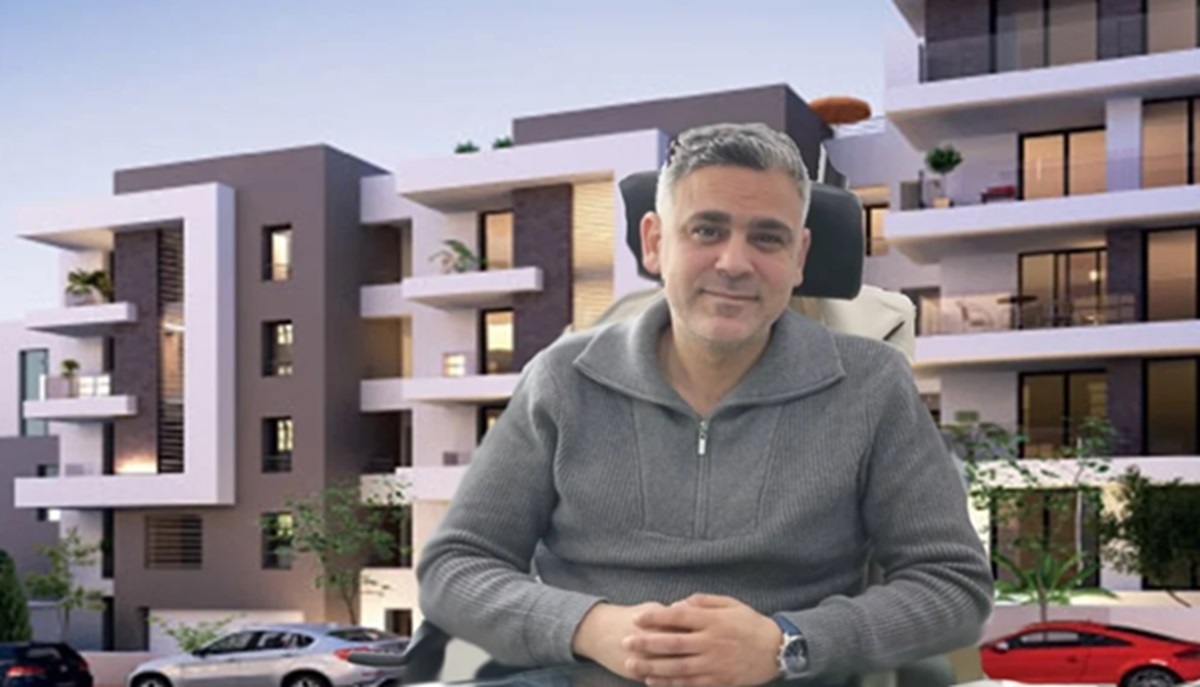
Real estate prices in Tunisia continued to rise in 2025, with an increase of around 5%, according to Anis Gharbi, director of the real estate platform Mubawab.
In an interview with African Manager, Gharbi explained that the increase in apartment and house prices is driven by several factors, including higher costs of construction materials, increased labor costs, and the scarcity of land.
He also stressed the need to lower interest rates on housing loans to put downward pressure on prices.
The same source noted that real estate developers are gradually reducing the size of S+2 apartments.
Gharbi emphasized the importance of the rent-to-own mechanism, which is expected to be implemented soon. He called for new measures to extend this scheme to the private real estate sector.
Q: How did real estate prices evolve in the Tunisian market in 2025?
Anis Gharbi: The real estate sales price index in Tunisia rose by about 5% in 2025 compared to 2024.
Demand is mainly concentrated on S+2 apartments, with sizes ranging between 90 and 120 square meters.
Meanwhile, rents for apartments, houses, and real estate in general also increased by about 5.25% over the past year compared to 2024.
Q: What explains this upward trend in real estate prices?
The price increase has not exceeded the level of inflation, so it can be considered relatively normal.
It is mainly due to rising construction costs, driven by higher prices for basic materials, increased labor costs and the depreciation of the Tunisian dinar against the euro, as well as the scarcity of buildable land.
Moreover, interest rates on housing loans do not allow private developers to lower their selling prices. A real estate developer does not sell at a loss, as it is fundamentally a profit-oriented business whose sustainability depends on earning profits.
Q: How do you see the future of the real estate development sector in Tunisia?
Current indicators are positive, and there are signs of a stronger recovery in 2026.
This is particularly linked to the implementation of the rent-to-own mechanism, which will allow a segment of Tunisians to acquire housing by paying monthly rent.
Initially, this law will apply only to public developers, including the Société de Promotion des Logements Sociaux (SPROLS) and the Société Nationale Immobilière de Tunisie (SNIT).
This measure should help ease demand pressure in certain regions, especially since the state plans to provide around 1,200 housing units by the end of this year.
If the rent-to-own mechanism is extended to private developers through public-private partnerships, it could help revive the sector and offer housing at reasonable prices.
It should be noted that developers have the capacity to build thousands of new homes each year. Homeownership remains the dream of many families, but financial constraints and strict financing conditions prevent many from accessing it.
Q: What are your proposals to control real estate prices?
Proposed solutions include building new cities and residential districts with all necessary infrastructure: roads, schools, transport, kindergartens, etc. These projects would help meet the growing demand for social housing and ease the housing crisis.
Reducing interest rates on bank loans, both for developers and households, is also suggested. Alternative solutions for financing the personal contribution, currently around 20% of the housing price, are also needed. Many families cannot gather this amount due to rising prices and falling purchasing power, which has significantly reduced savings rates.
In some countries, households can receive financing up to 120% of the housing price, with fixed interest rates, covering notary, registration, and other administrative fees.
Q: With around 800,000 vacant homes, why aren’t prices falling in Tunisia despite a market slowdown?
In some countries, housing loans are granted at interest rates between 0.5% and 1%, making price reductions possible. In Tunisia, however, developers obtain loans at rates between 10% and 11%, making any price reduction nearly impossible.
Also, the figure of 800,000 vacant homes is disputed and requires further clarification.
Q: How do you assess current demand in the real estate market?
Demand still exists, but completing a purchase has become more complex. Procedures that used to take less than three months can now take over six months, reflecting administrative complexity and households’ difficulty meeting financial commitments.
Developers are now seeking to reduce apartment sizes to control prices. Currently, an apartment with a living room and two bedrooms averages 90–120 m², but future sizes may shrink to 65–80 m² to lower costs and limit price increases.