It is well known and even historically established in Tunisia that the resignation of officials, especially ministers, does not publicly follow any clear logic and is almost always forced, sometimes abrupt and unexpected.
In Tunisia, from Bourguiba through Ben Ali and beyond, ministers do not resign; they are dismissed, usually through a brief statement, without explanation or context.
One of the most widely publicized examples was that of former Finance Minister Sihem Nemsia, who had managed to mobilize significant fiscal resources for the state budget.
Her dismissal followed a memorable episode of presidential anger shown in a video. She had tried to explain herself while looking at her then head of government, waiting for a signal or support.
This occurred on February 5, 2025. Kamel Madouri joined her on March 21, 2025. The current Tunisian head of state dismisses officials without hesitation.
Solar energy at the heart of the conflict
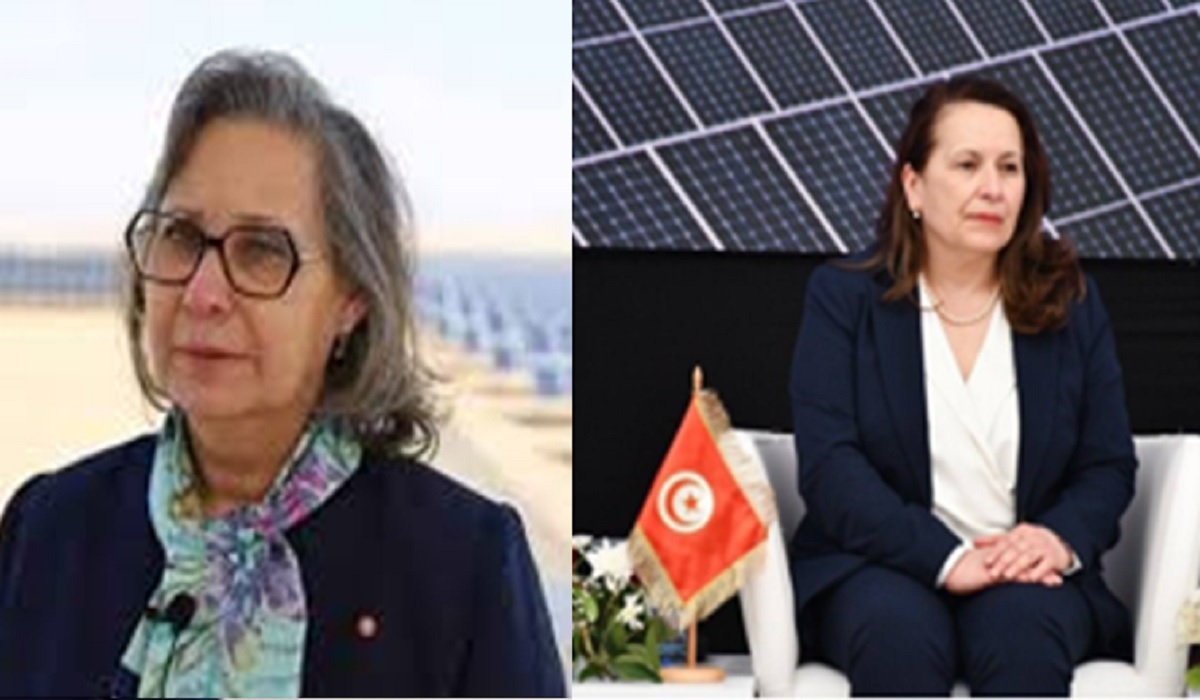
Tunisia’s energy landscape is currently in turmoil. The forced departure of Energy Minister Fatma Thabet Chiboub has created significant unease.
According to analyses by Jeune Afrique and EnergyNews, this decision goes beyond a simple technical reshuffle and reflects a deeper governance crisis, particularly regarding the transition to renewable energy.
Both sources converge on a key issue: the management of clean energy. Jeune Afrique highlights major tensions over tender procedures and the implementation of solar power plants.
EnergyNews confirms this, citing deep disagreements over the awarding of several large-scale solar projects. This controversy appears to have triggered dissatisfaction at the highest level of the state.
A stalled national strategy
Beyond individual projects, the broader pace of the energy transition is being criticized:
- Operational delays: The implementation of the national strategy to reduce dependence on hydrocarbons is considered too slow. Jeune Afrique refers to delays in execution, while EnergyNews highlights accumulated setbacks that directly hinder renewable energy targets.
- Trade deficit: This inertia weighs heavily on the country’s trade balance, with the energy deficit remaining a major burden on the national economy.
Governance crisis and centralization of control
The dismissal also reveals structural weaknesses in government coordination. Jeune Afrique points to difficulties in cooperation between the ministry and the executive on mining and energy policy, as well as a presidential desire to regain control over ministries considered “stalled.” EnergyNews expands this analysis, noting coordination issues with international partners and a broader effort to revitalize the sector and unlock reforms.
From Neila Gonji to Fatma Chiboub
Ultimately, this presidential decision reflects a clear desire for a shift in direction. For the presidency, the goal is to inject new momentum into a ministry considered to be stagnating and to revitalize a strategic sector for Tunisia’s economic sovereignty.
It is worth noting that government gender representation, which peaked at 40% in 2021, has continued in uneven waves. Among several ministers of energy in recent years, including Fatma Thabet Chiboub and earlier Neila Gonji, dismissals have been frequent.
Neila Nouira Gonji was removed from her post as Minister of Industry, Energy and Mines by President Kaïs Saïed on May 4, 2023, just hours after she attended the inauguration of the “Maraquart” factory in El Fejja, a flagship industrial project symbolizing Tunisia’s industrial upgrading. She had personally inaugurated or overseen at least three major energy projects.
Before her, Salwa Sghaier was dismissed on February 15, 2021, from her role as Minister of Industry, Energy and Mines in the Mechichi government, despite having limited involvement in renewable energy projects.
The energy sector under maximum pressure
Fatma Thabet Chiboub’s departure comes at a time of heightened political tension over the energy dossier. The Assembly of People’s Representatives is facing controversy for failing to ratify certain concession agreements, including the Rhemoura case, which, according to sources, has already cost the state over $50 million since January 2023.
At least four additional texts were reportedly withdrawn before parliamentary vote to avoid legislative rejection.
Her successor will inherit a ministry under pressure from three directions: the executive, parliament, and the international community.
Foreign investors, already beginning to scale back, will closely monitor the new minister’s first decisions to assess how the situation will be managed.