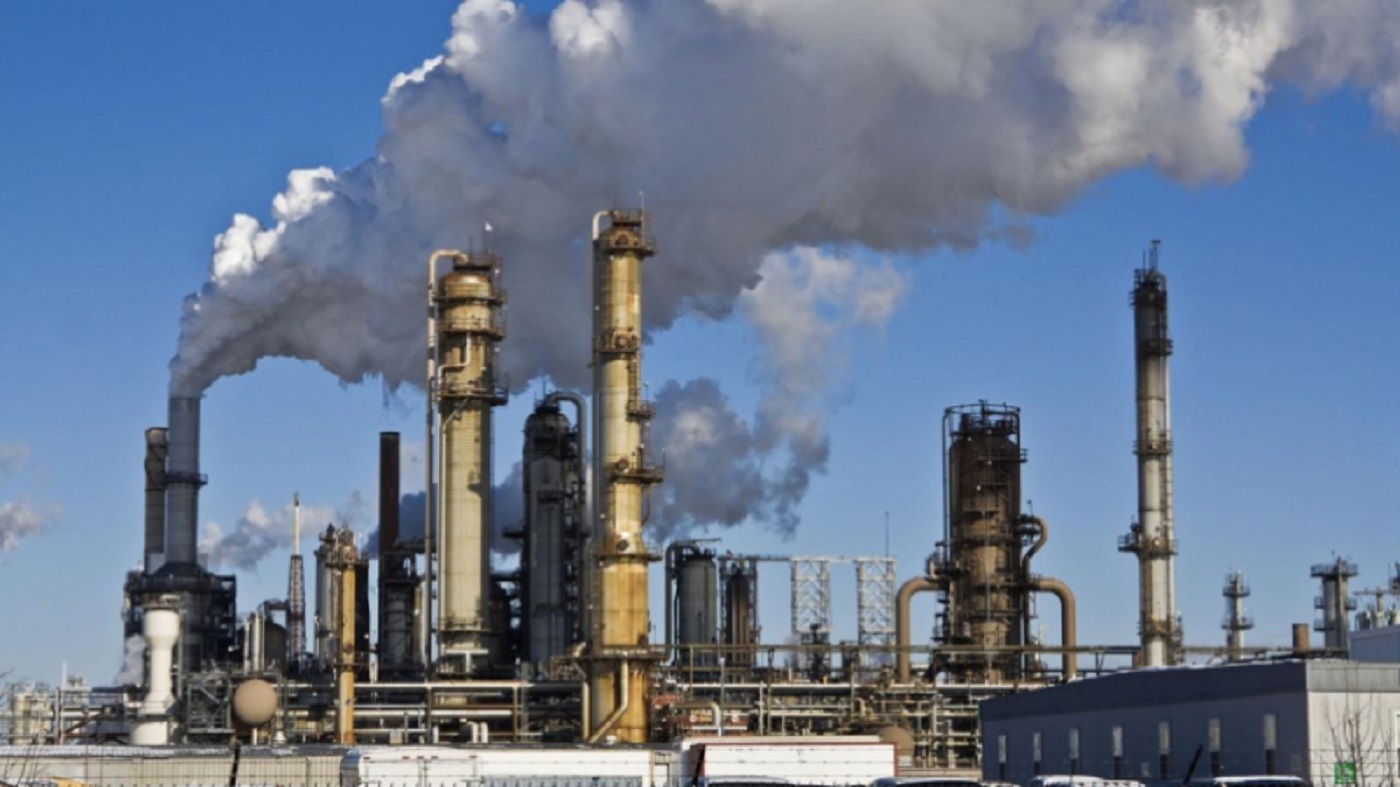
“The development model centered on polluting chemical industries must be revised,” Mohamed El Kdiri, member of the Gabes Regional Council, told TAP news agency.
The MP called for the establishment of a new model that ensures sustainable development by leveraging the governorate’s strategic location, its natural and human resources, as well as its modern infrastructure.
He also urged the relevant authorities to respond positively to the peaceful movement taking place in the region, stressing that all residents are now demanding the dismantling of the Tunisian Chemical Group (GCT)’s polluting industrial units, due to the real threat they pose to their lives.
El Kdiri said it is time to save the Gulf of Gabes by stopping the discharge of phosphogypsum in order to preserve the remaining groundwater resources, which are overexploited by the phosphate industry.
He pointed out that all indicators show that the governorate of Gabes could become a leader in agriculture, clean industries, tourism, and services once industrial pollution is eliminated.
MPs call for urgent measures
It is worth recalling that several other MPs have called for thorough scientific studies on the impact of this pollution on the health of residents, and the spread of cancer, dermatological, and allergy-related diseases.
During a recent plenary session, they stressed the need to guarantee free medical care for residents affected by environmental degradation in the region, and proposed the creation of a specialized medical unit for early cancer detection and health monitoring of pollution victims.
Other MPs highlighted the severe environmental damage caused by toxic gas emissions and the annual dumping of five million tons of phosphogypsum into the sea, which has led to air and water pollution and the spread of numerous diseases.
Members of Parliament also criticized the government’s unfulfilled promises and the lack of concrete results in the fight against pollution, arguing that successive governments have prioritized the economic benefits of the Chemical Group over the health and quality of life of residents.
MPs therefore demanded the establishment of monitoring and accountability mechanisms for those responsible for the deterioration of environmental and health conditions in Gabes.
During the session, the parliamentary group “La Ligne Nationale Souveraine” announced its withdrawal from the plenary session as a protest against the absence of an official announcement of a clear strategic plan with a progressive timeline for dismantling the chemical group’s polluting units.
Additionally, several MPs called for strengthened coordination between the government, civil society, and the residents of Gabes in order to monitor the implementation of health and environmental solutions, and to restore public trust through transparency and regular communication on the results of actions taken against industrial pollution.