Tunisia exported 39,745 tons of organic agricultural products between January 1 and June 30, 2025, generating revenue of 489.03 million dinars, according to the National Agricultural Observatory (ONAGRI).
Organic olive oil and organic dates largely dominated the export sector, accounting for 86.8% and 22.7% of the total volume, respectively.
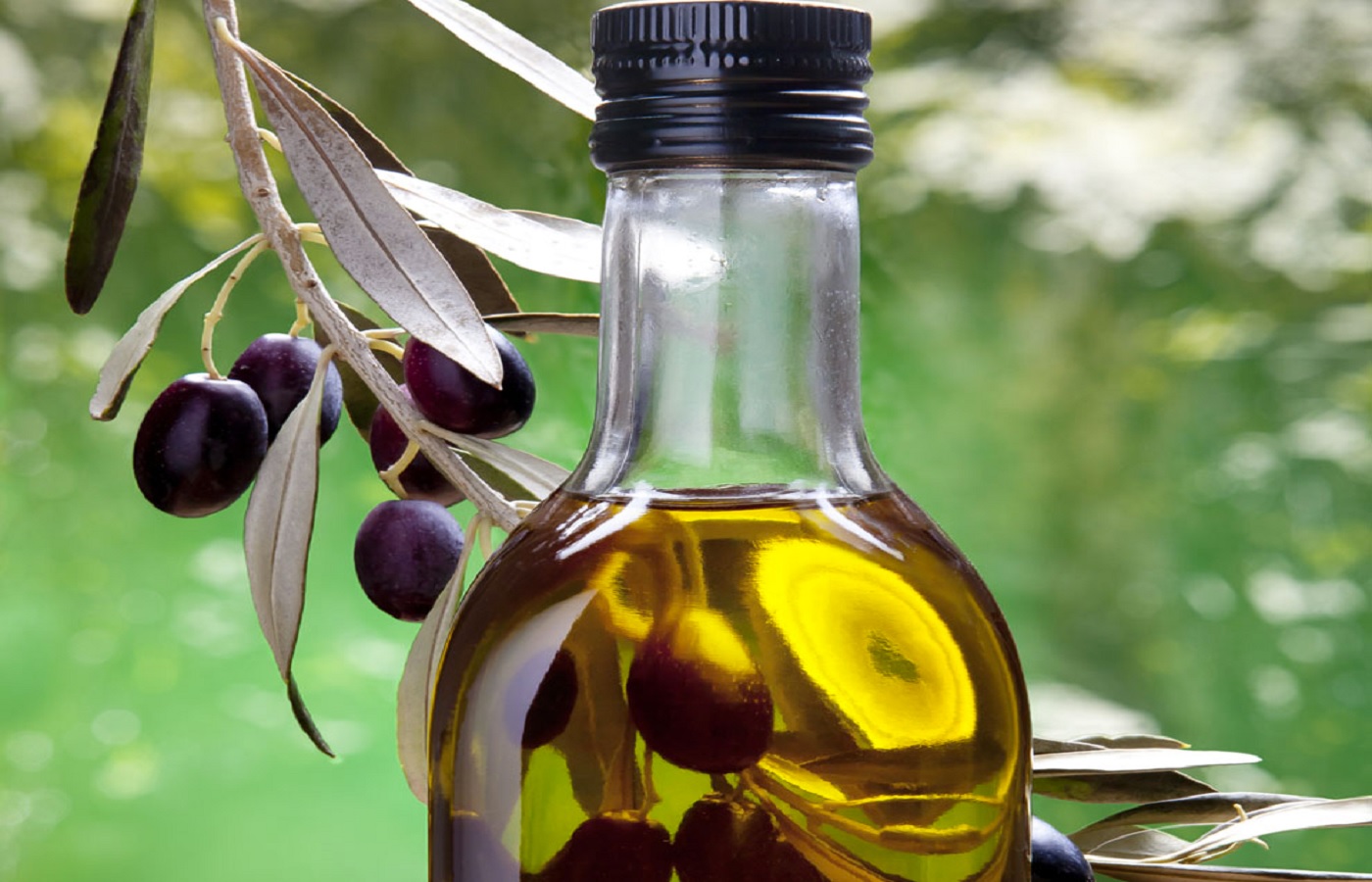
Organic olive oil alone accounted for 45,000 tons, valued at 620.8 million dinars, representing 20% of the volume and 20.2% of the total value of the country’s olive oil exports.
Italy became the top importer, absorbing 52.7% of organic olive oil exports, followed by the United States and Spain.
Organic dates also recorded strong performance during the first nine months of the 2024/2025 season, with exports reaching 6,686.5 tons and generating 59.5 million dinars at an average price of 8.90 dinars per kilogram.
These figures represent 5.5% of Tunisia’s total date export volume and 7.7% of the value. Germany was the top destination for Tunisian organic dates, importing 30% of the total volume, closely followed by the Netherlands and Belgium at 22% each.
The sustained demand from European markets highlights Tunisia’s growing reputation as a reliable supplier of high-quality organic products.
A Bright Future for Organics!
Tunisia is examining the potential of organic agriculture as part of a groundbreaking study, the results of which were unveiled during a presentation to key national partners working in this sector, which is emerging as a strategic hub for the country’s sustainable economic development.
At least, this is the assessment of the United Nations Food and Agriculture Organization (FAO).
According to the FAO, the top priority is to develop and strengthen the organic agriculture sector by adopting a territorial approach that selects, based on bioclimatic zones, reference organic production systems as well as the most suitable farms to transition to this sustainable and integrated production model.
The goal is to define a reference model for organic agriculture tailored to each bioclimatic zone, especially since Tunisia has resilient organic production systems.
It is worth noting that 750 surveys were conducted across Tunisia, clearly distinguishing statistics related to conventional farming systems from those linked to organic agriculture.
This mapping provided unprecedented statistics on geographical distributions, structures, involved professional organizations, and selected production types.
Currently, Tunisia’s organic agriculture sector includes nearly 7,200 stakeholders, including farmers, processors, traders, and others, of whom 6,669 are producers.
These stakeholders are actively seeking support and guidance to enhance their competitiveness and comply with the ever-evolving requirements of the international market, which is subject to dynamic organic regulations.