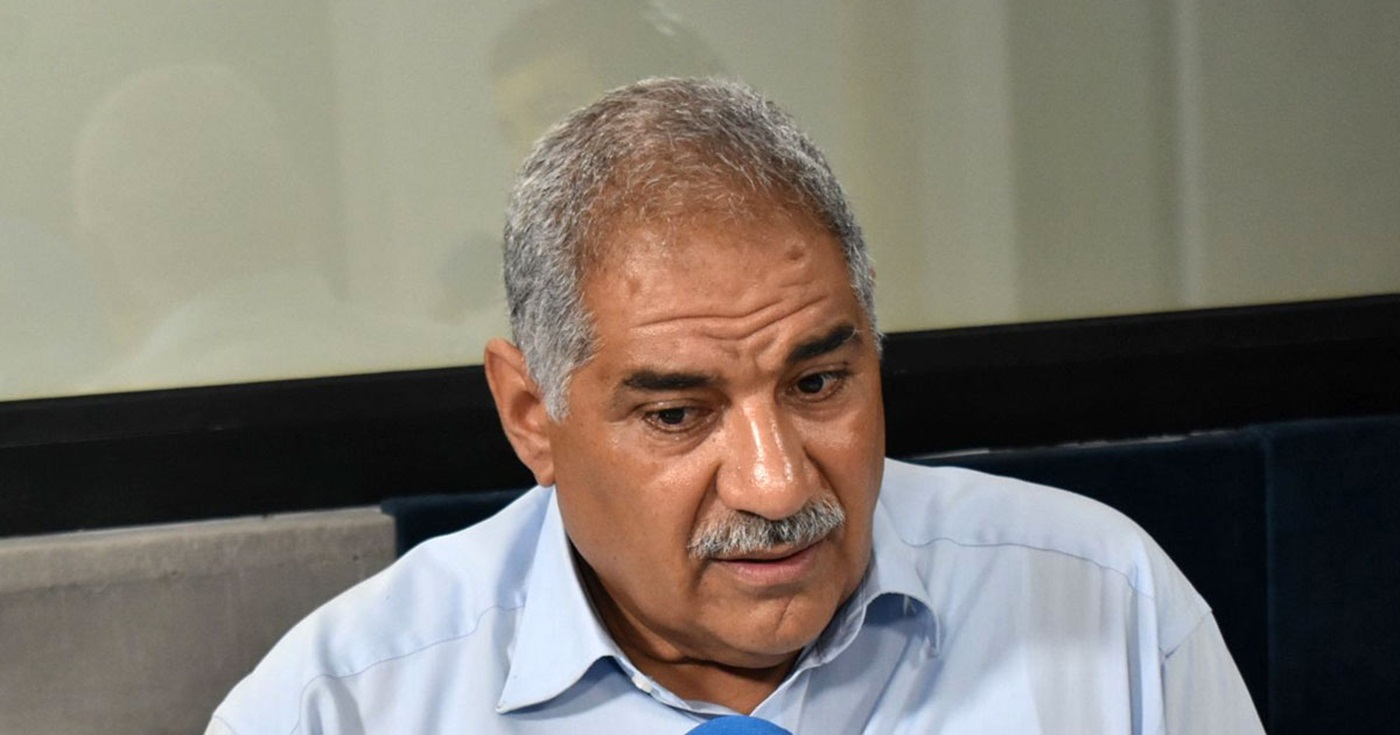
Lotfi Riahi, President of the Tunisian Organization for Informing Consumers (OTIC), has called for the enactment of a law guaranteeing the “right to domestic tourism” at fair prices, taking into account citizens’ purchasing power and shifting the tourism industry from a luxury-based logic to a rights-based one.
In an interview with Africanmanager on Tuesday, July 15, 2025, Riahi stated that the surge in accommodation and hotel service prices has prevented many Tunisians from enjoying their summer vacations in hotels due to their declining purchasing power.
On another note, the OTIC president rejected what he called “unfair discrimination” in pricing between foreign tourists and Tunisians, with foreigners benefiting from preferential rates while Tunisians have to pay double. He stressed the need for equal treatment to ensure tourism justice and create an inclusive economic dynamic.
At Least 30% of Accommodation Capacity for Tunisians!
He emphasized the necessity of a legislative initiative requiring tourism facilities to allocate at least 30% of their accommodation capacity to domestic tourism during peak season, at the same prices approved for foreign tourists.
Riahi stated that this measure would uphold fairness and strengthen Tunisians’ right to leisure and tourism in their own country, noting that the current price-discrimination policy excludes citizens from benefiting from the country’s tourism offerings.
The OTIC official explained that the cost of a hotel night is estimated at around 400 dinars per person, calling these prices excessive and mismatched with Tunisians’ purchasing power, making leisure and vacations unaffordable for most families.
Raising domestic tourism’s contribution to one-third of the sector
“We aim to increase domestic tourism’s contribution to the sector to 30%,” said Mohamed Mehdi Haloui, Director General of the Tunisian National Tourist Office (ONTT), though he acknowledged that this contribution remains low.
“The low influx of Tunisians to hotels and tourist establishments is mainly due to pricing policies and the services provided,” he noted, adding that this situation hinders the development of domestic tourism.
During a televised interview at the TAP News Agency studio, he stated: “Our efforts will focus on developing tourism services for Tunisians by identifying solutions for financially struggling hotels, enabling them to reinvest and improve their services in terms of pricing and quality.”
Promoting domestic tourism is a key part of the ministry’s strategy, especially since it has proven to be a pillar of sector resilience during crises, Haloui emphasized.
He added: “We are also planning a partnership with industry professionals to provide Tunisians with quality tourism services at reasonable prices, encouraging them to spend their vacations in hotels and tourist facilities.”
To this end, there is ongoing coordination with various professional bodies to reserve a portion of hotel capacity for Tunisians, even during peak season.
Haloui also recalled the ONTT’s “Tounes Like” initiative, launched to promote domestic tourism and encourage Tunisians to rediscover their country’s history, civilization, culture, and beauty.