The SNDP is a public joint-stock company, where the main shareholder is the Tunisian state (99%), along with six other minor shareholders, all of them public enterprises.
On its website, it is presented as a company that “is among the major Tunisian public enterprises which, through their dynamism and diversity of activities, support the national economy and ensure its continuous growth. With a net turnover of 1,845 million dinars in 2020, Agil Energy S.A. plays a pioneering role on the path of progress and excellence in which Tunisia has been engaged since 2021.”
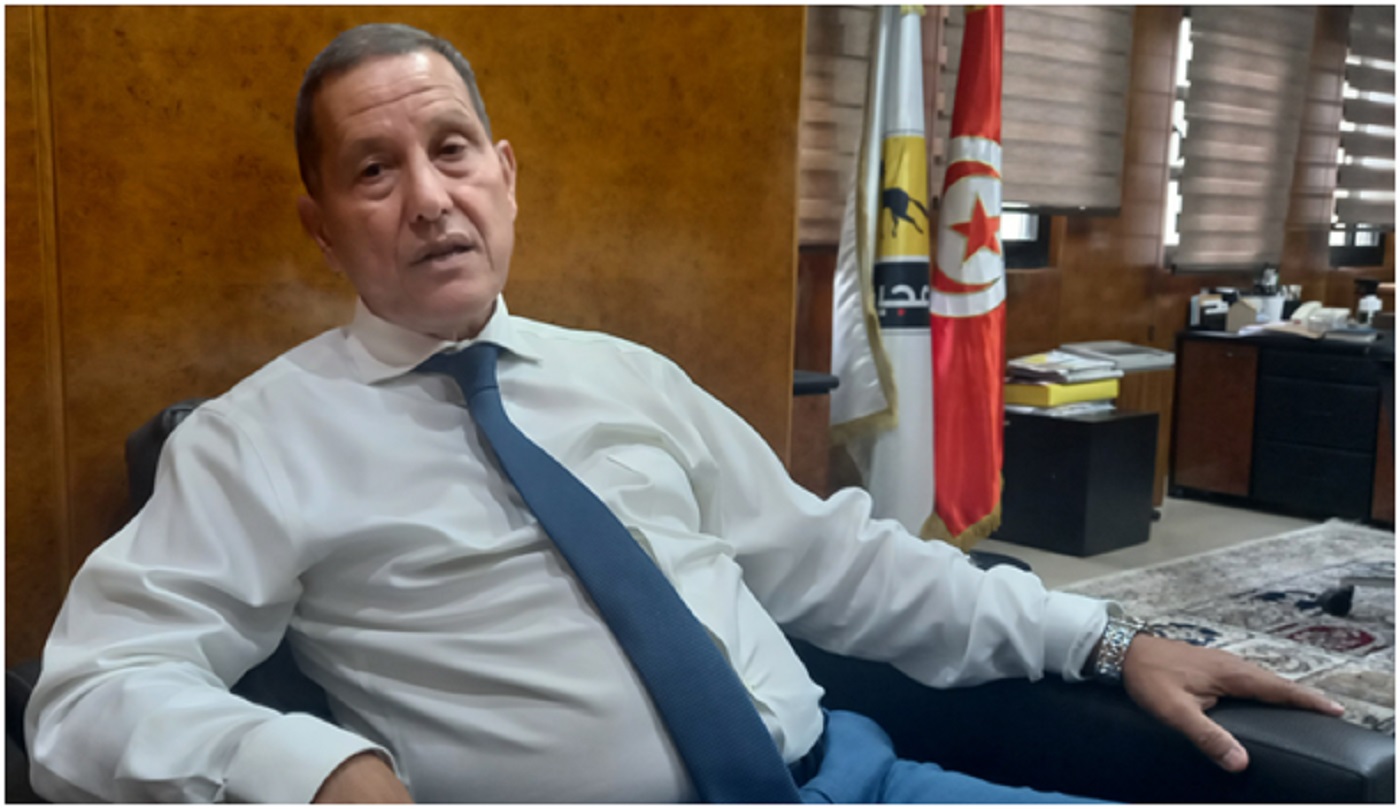
At the head of the country’s largest fuel distributor, Khaled Bettine has succeeded in restoring the shine of one of the few profitable public enterprises, leading it steadily toward better days.
Interview:
How are the finances of what is certainly one of the biggest public enterprises in Tunisia?
The company closed the 2023 fiscal year with a profit of 35 million dinars, after a turnover of 2.69 billion dinars. A year later, in 2024, SNDP performed just as well, increasing its turnover to just over 2.8 billion dinars and net profit to more than 61 million dinars.
SNDP has not always been profitable. Its largest loss was mainly due to the Covid-19 health crisis in 2020, amounting to 29.8 million dinars. It was only a temporary stumble caused by a global health crisis. Indeed, as early as 2021, SNDP’s figures bounced back with a profit of 28.5 million dinars.
In 2022, profits reached 46.1 million dinars, already a historic record in the company’s history, since my arrival four years ago. It was a record I managed to surpass thanks to the efforts of the entire team.
In 2023, SNDP focused on investment, which explains the drop in profit to only 35 million dinars, followed by the rebound to more than 61 million dinars in net profit, the second consecutive historic record in the sole activity of petroleum products distribution.
In this sector, SNDP holds a 37.5% market share in Tunisia, where there are four private distributors, including major international players (TotalEnergies, Ola Energy, Star Oil Shell).
But SNDP doesn’t only sell gasoline and kerosene!
I remind you that the company’s turnover comes from four main pillars.
Distribution and sale of petroleum products, which represents nearly 75% of SNDP’s entire activity. It operates a network of 227 outlets or stations covering the entire country, the largest and widest network in Tunisia, where investments continue either through the creation of new stations or the modernization of existing ones for greater customer comfort.
Sale of jet fuel. Only three operators are active in this market in Tunisia, and SNDP’s share exceeds 70%, bringing in significant revenue.
Synthetic oils. We are partners in a blending unit that mixes imported base oil, an activity we carry out under an ENI license, which allows us to produce our own brand under this Italian license.
Bottled household gas and bulk gas distribution for industries and other users. This is carried out in Bizerte (home to the oldest platform in Tunisia), Rades, and the most recent one in Gabès, where SNDP holds the largest market share, managing both a bottling center and a storage facility in Ghannouch.
Has SNDP been affected by the new law on checks? For example, we saw some branded kiosks publicly refusing checks unless certified by the bank. What’s the reality?
These notices do not come from SNDP but from some station managers operating under our brand. These are their own policies, not SNDP’s. The company still accepts checks.
Previously, managers benefited from more flexible practices and accounted for bounced checks in their budgets. But this is no longer the case, as the new law requires managers to only accept checks after electronic verification by SNDP to ensure funds exist in the client’s account.
Did you notice a decline in orders from station managers due to this new law?
Yes, at the start of the law’s implementation, there was clear reluctance to maintain the same fuel order volumes. SNDP quickly reacted by activating bank transfer payments, requiring debit confirmation before delivery. This soon restored order levels, which later even increased.
What is your annual turnover from fuel sales?
No less than 1.5 billion dinars for kerosene, gas, and lubricants, and not less than 1.2 billion for the rest (gasoline, diesel, sulfur-free diesel, and fuel oil). Altogether, this represents about 37.5% of the entire Tunisian market, where we hold exclusive presence in fishing ports, not to mention public enterprises and the civil service.
How much is SNDP owed by the State and public enterprises?
The figure is huge, already exceeding 1 billion dinars cumulatively. The largest portion comes from public transport companies, ground, national, regional, and air transport.
What about fuel vouchers for civil servants and public employees?
That represents only a tiny share of SNDP’s turnover and is paid regularly. I was referring instead to cases like SNTRI, which consumes thousands of tons of fuel annually, as do Transtu and SNCFT, which account for the majority of the debt.
Have you found a solution for Tunisair’s unpaid jet fuel bills?
Last week, we already established a new repayment schedule and easier terms for fresh consumption. But we have never managed to demand upfront payment from the national public airline.
This issue of transport sector debt has been a focal point in auditors’ remarks on SNDP’s latest financial report. They even proposed provisioning these debts. But we cannot do this, the amounts are enormous, and doing so would severely damage SNDP’s financial capacity and solvency (its share capital is 96.5 million dinars), pushing it into a dire situation.
And in any case, these are public enterprises, meaning they ultimately belong to the Tunisian state.
(To be continued)