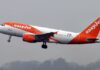
Tunisair carried 540,651 passengers in the first three months of 2026, a 9% increase compared to the same period last year, allowing the national carrier to edge its market share higher to 24.5% from 24.2% a year earlier.
The airline also reported improved commercial efficiency, with the load factor rising 1.5 points to 75.8%. The gain reflects a better match between capacity – Available Seat Kilometers (ASK) increased 4% – and demand, as Revenue Passenger Kilometers (RPK) jumped 6%.
Stable revenues, mixed costs
Passenger transport revenue reached 331 million dinars (MD), up 5% year-on-year. However, average revenue per passenger dipped slightly to 612 dinars, a 3% decline from Q1 2025.
On the cost side, Tunisair benefited from a 2% reduction in its fuel bill (77 MD), thanks to lower volumes consumed and a more favorable USD/TND exchange rate.
Other cost lines, however, climbed sharply: airport fees rose 12% to 112 MD, ground handling increased 16% to 36 MD, and maintenance and repair costs grew 15% to 31 MDT.
Fleet works harder, but debt weighs
Despite operating the same number of aircraft as in 2025, 19 planes, Tunisair managed to intensify activity. Average daily aircraft utilization surged 14% to 9.58 hours per day per aircraft, up from 8.43 hours.
The airline now owns seven of its aircraft outright (compared to five last year), reducing financial lease charges by 24%.
Nevertheless, the carrier’s financial structure remains fragile. Total debt rose 11% to 710 MD, driven by new credit facilities taken out in 2025 and early 2026. Consequently, financial expenses jumped 44% to 13 MD for the quarter.
Workforce optimization
Tunisair continued its restructuring on the social front. The total headcount was reduced by 8% to 2,553 employees at the end of March 2026, down from 2,786 a year earlier. Despite the lower headcount, the wage bill edged up 4% to 55 MD.
While operational metrics show clear improvement, analysts note that the airline’s rising debt and financial charges remain significant headwinds as it navigates a competitive regional market.