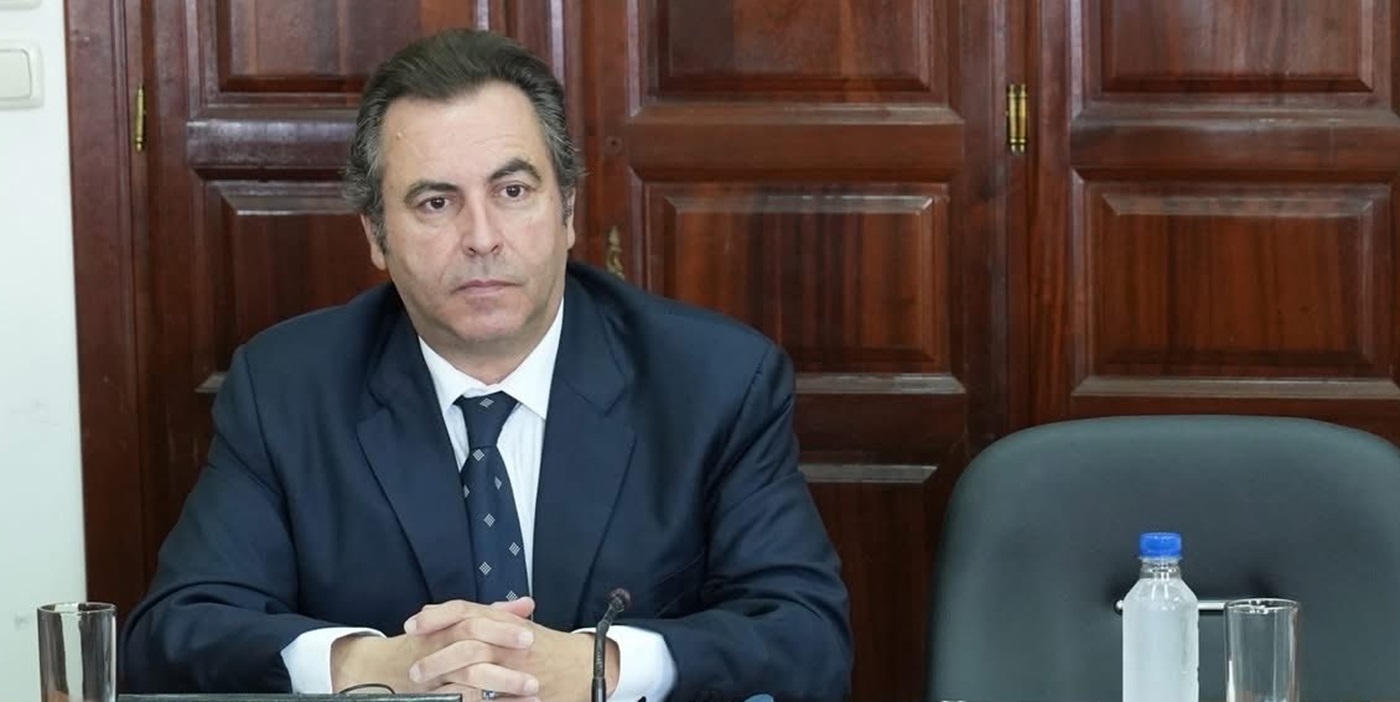
Member of Parliament and member of the Finance Committee at the Assembly of People’s Representatives (ARP), Maher Ketari, affirmed that the draft Foreign Exchange Code is ready, that it has gathered the required signatures from MPs, and will be submitted to the Parliament’s Bureau at the beginning of next week (Monday or Tuesday).
Speaking on Express FM, he explained that the draft includes provisions on modifying the concept of residency, managing foreign currency accounts, digital platforms, and cryptocurrencies such as Bitcoin, as outlined in the new Foreign Exchange Code, noting that several previous procedures and barriers have been removed.
Ketari also talked about the environmental situation in the governorate of Gabes, stressing that citizens’ health is the top priority and drawing attention to the serious health problems faced by residents in the region.
He added: “We cannot oppose peaceful movements, but the problem lies with the nighttime movements, which are unacceptable.”
The organized sector at a disadvantage
Ketari said that “we had other expectations for the 2026 Finance Bill, particularly regarding the trade balance and strategic directions, expecting a change in the economic model and a new approach. But what has been presented is just a collection of chapters that do not change either the economic model or the future vision.”
He added that the bill places more pressure on the organized sector, imposing additional taxes and fees, unlike the unstructured (informal) sector.
He criticized the absence of a new economic model or future vision, as well as the lack of incentives for the country’s interior regions, while acknowledging that the state is making significant efforts to maintain financial balance.
According to Ketari, the finance bill was submitted “without an explanatory memorandum” and introduces no changes to the current economic model.
He further criticized the state’s continued practice of allocating tax-generated funds to loss-making public institutions year after year without improving their governance:
“We keep giving money to failing institutions, while changing the economic model would mean directing half of those funds to young people who are seeking work.”
He went on to say:
“This hinders success and encourages failure at the same time… We cannot always rely on the same people to contribute to the national effort — everyone should take part.”
He also noted that the parallel and informal sector represents around 40% of the economy, yet the finance bill contains no provisions targeting this sector, which could have helped reshape the economic model instead of constantly increasing taxes.
Depreciation of the Dinar
Ketari pointed to the continuous depreciation of the Tunisian dinar, which was worth about 1.9 dinars per US dollar in 2010, compared to 3 dinars per dollar today, a clear sign of the decline in the national economy.
He warned that if this trend continues, Tunisia will remain a third-world country, making any notion of national sovereignty meaningless, and that this situation could eventually lead to a currency float, similar to what happened in Egypt in 2016.
Regarding Article 9 of the 2026 Finance Bill — which stipulates that the total number of authorized employees in ministries (both central and regional services) and public institutions funded by the state budget will reach 687,000 in 2026, Ketari clarified that this represents an increase of 30,000 employees compared to 2025, meaning 30,000 new recruitments.