For years, Tunisia has been experiencing the rise of a phenomenon known as the “brain drain.” In practice, this exodus mainly takes the form of Tunisian doctors leaving for work abroad.
When a practitioner leaves their home country, they take with them not only their talent but also the education and training they received, allowing another country to benefit from it.
Instead of going to the other side of the world to seek new professional opportunities, why not create them here?
It will take thousands of initiatives to convince doctors that something is truly changing in the country and that it is worth staying!
Public-private partnerships to get out of the rut!
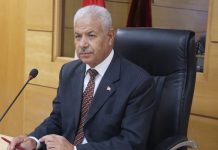
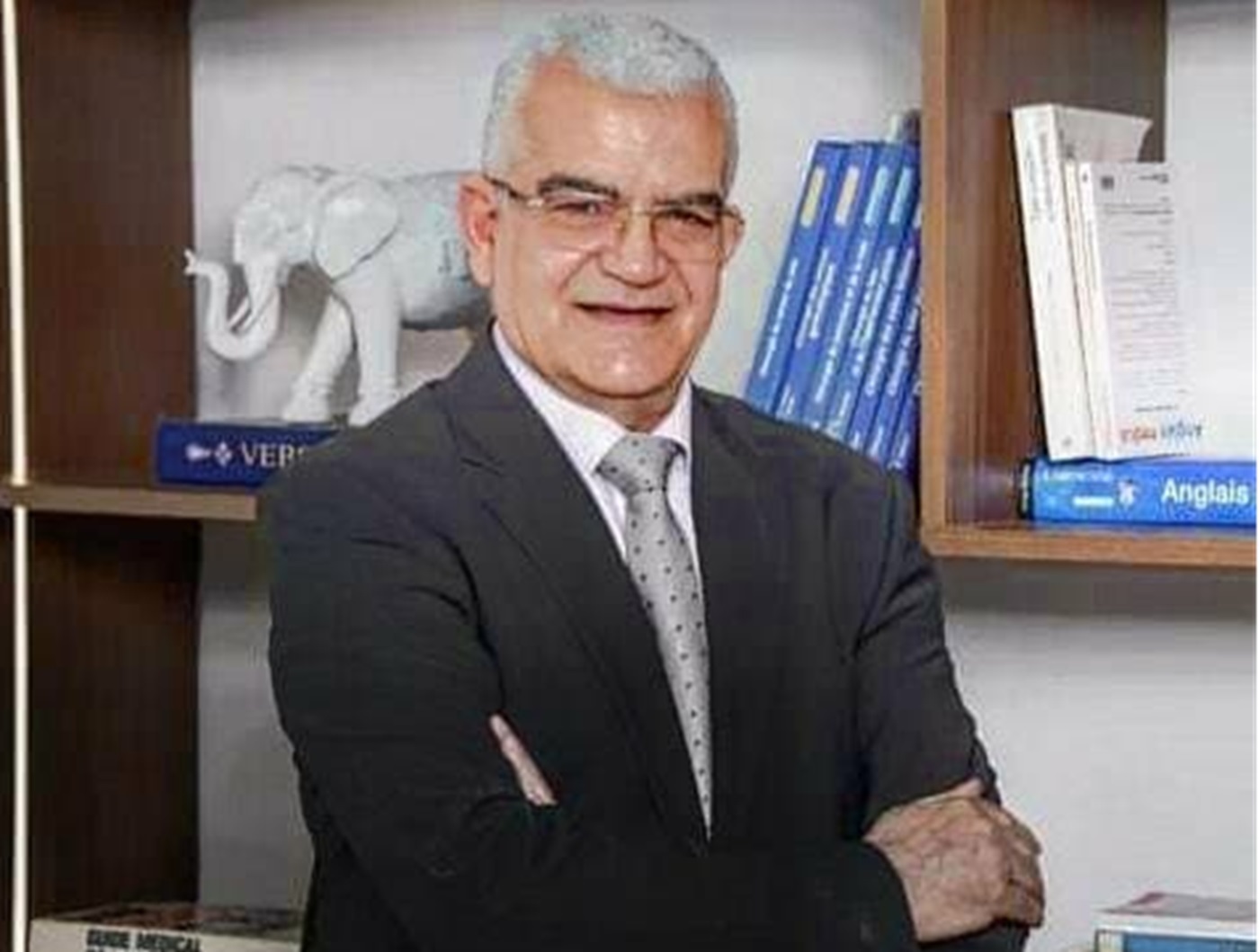
Abdelmajid Mselmi, Associate Professor at the Faculty of Medicine and specialist in General Surgery, stated in an interview given on Tuesday, September 16, 2025, to AfricanManager, that Tunisian doctors who migrate abroad represent a wealth for the country, far from pessimistic and isolationist ideas.
He explained: “Today the world is a small village, and mobility will be the rule in the coming years. Medicine is still a highly valued profession among young Tunisians, as well as their parents, who currently spend significant sums on medical studies abroad.”
He added: “Moreover, studying abroad constitutes a major drain in foreign currency, which the country badly needs. A public-private partnership is therefore highly appropriate, especially since the Tunisian state probably does not have the means today to establish new faculties of medicine.
The primary concern of those responsible for medical education in Tunisia (deans, scientific councils, professors) is to ensure the same quality of training as currently provided.”
According to him, public-private partnerships can provide safeguards against possible excesses. This can be implemented in practice by assigning students to private faculties through the annual orientation system organized by academic authorities.
“This orientation system (computer-based) is known for its rigor and fairness. Thus, a private medical school would be included in the national university orientation guide, and admission would be granted on the same academic basis as public faculties, ensuring fairness between students.
The private faculty could also be placed under the ‘scientific and pedagogical supervision’ of a public medical school, with the possibility of organizing common exams and evaluations.”
He also highlighted that Tunisia’s interior regions hold many advantages. Historically, medical faculties were built in coastal areas. For many observers, this was not particularly relevant, as it created a regional imbalance that harmed national cohesion.
He noted: “It is well known that the establishment of high schools and faculties in inland regions fosters their development. Let us not forget that Tunisian villages were developed in the early years of independence around schools and high schools built across the country.”
Setting up medical faculties in inland regions would boost development in these areas. Interior cities also present a major advantage: regional hospitals are excellent training grounds, as practical training is a cornerstone of medical education.
This would also help reduce overcrowding in teaching hospitals in major cities, which are often overwhelmed by the large number of trainees.
Several regional hospitals already have a university vocation and increasingly benefit from academic hospital staff capable of supervising students.
Shortage of specialists in inland regions!
The idea of settling in rural areas still deters many young specialists, who refuse to work in regional hospitals because of poor working conditions and the lack of proper technical facilities in certain departments.
The paradox is that Tunisia does not lack medical specialists, since its four faculties of medicine graduate dozens every year. Unfortunately, this extraordinary resource is poorly distributed, with the vast majority concentrated in major cities and coastal regions, while interior regions remain underserved.
It is true that limited resources, repeated assaults against doctors, and the absence of a clear vision for the sector are among the obstacles that discourage physicians from working in inland regions.
However, the well-known warm welcome and generosity of the local population could help offset these difficulties and allow young doctors to enjoy a unique and enriching professional and personal experience.
Lack of specialists in inland regions: a chronic issue
In fact, the mere idea of working in rural areas still discourages many young specialists, who refuse positions in regional hospitals due to poor working conditions and the absence of adequate technical facilities in certain services.
The paradox remains: the country produces hundreds of specialists each year from its four medical schools, yet the majority stay in big cities and coastal regions, leaving the interior severely lacking.
Once again, the lack of resources, repeated assaults against doctors and the absence of a clear vision for the sector are among the barriers to this prospect.
Expanding medical training by creating private faculties, improving working conditions in hospitals, and providing incentives for doctors are among the possible solutions to address this major problem.