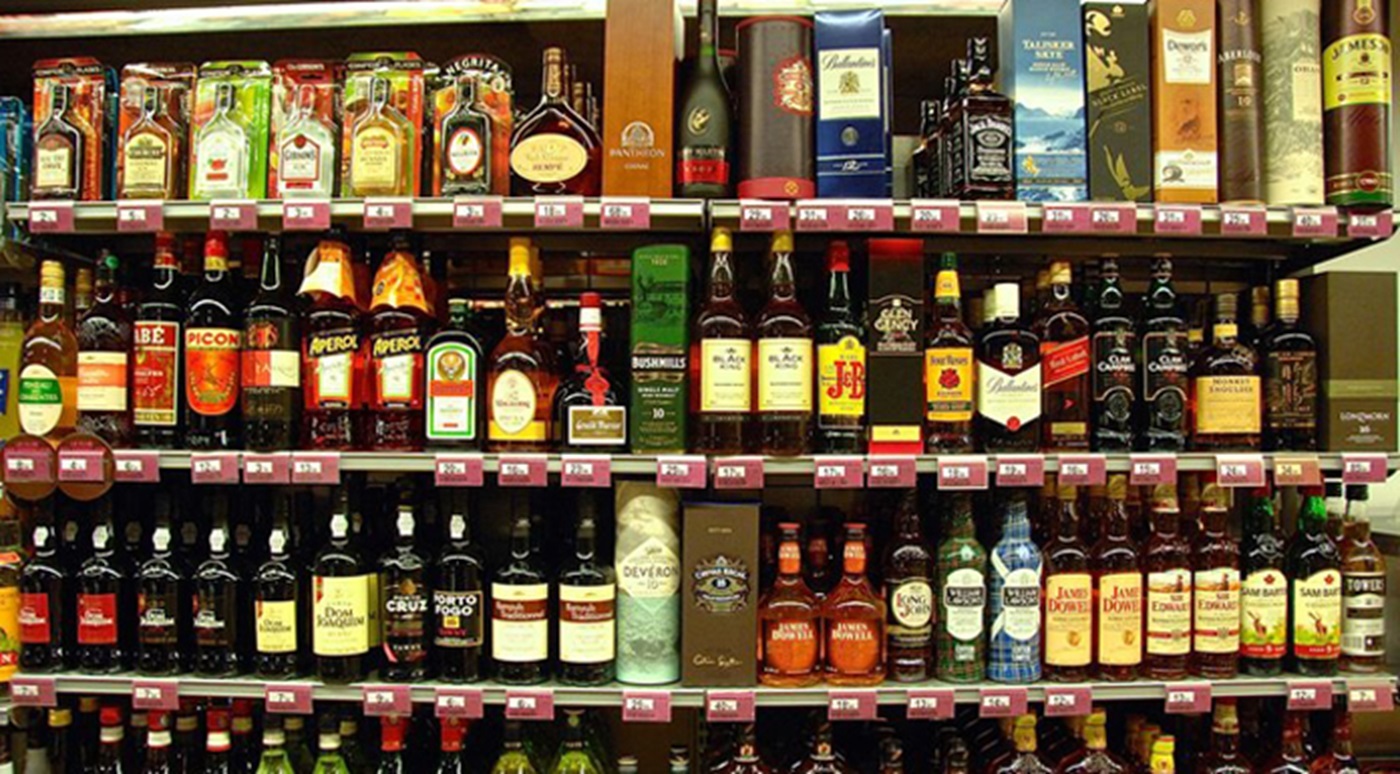
The alcoholic beverages sector in Tunisia is traditionally the area with the highest prevalence of tax evasion, so much so that the total volume of evasion in production and trade has reached TND 1.8 billion, according to Ali Khelifi, head of the Investigation and Anti-Tax Evasion Brigade, commonly known as the “Tax Police.”
Of this amount, TND 500 million is linked specifically to bar and restaurant activities. Targeted inspections in tourist cafés and nightclubs in Lac, Gammarth, and Soukra revealed TND 90 million in undeclared turnover. Khelifi noted that control missions continue in this sector.
E-commerce and other sectors
The Tax Police’s investigations extend beyond alcohol. Their work in e-commerce revealed TND 1,700 million in transactions and identified 7,596 individuals selling online without tax IDs.
Other sectors under investigation include private clinics, doctors, wholesale pharmaceuticals, car dealerships, large retailers, and insurance companies.
Brigade capacity and mandate
The Brigade has expanded from 17 investigators in 2023 to 40 currently, though Khelifi acknowledged that human resources remain insufficient to meet existing challenges. He emphasized the need to further increase staff to improve operational efficiency.
Established in October 2017 and operational since January 2018, the Brigade operates under the General Directorate of Taxes (DGI) and supervision of public prosecutors.
Its mission is to detect, investigate, and gather evidence of criminal tax offenses nationwide, acting in full compliance with the law and taxpayers’ rights while fighting all forms of tax evasion to build a strong and fair administration.
A growing market
Tunisia’s alcoholic beverages market is projected to grow steadily, with market value expected to rise from USD 2.0 billion in 2025 to USD 2.5 billion in 2030, reflecting a 4.63% annual growth rate, according to StrategyHelix, a Hong Kong-based strategic planning and market research firm.
Growth is supported by increasing consumer awareness and a rising base of drinkers, as alcohol consumption becomes more integrated into urban lifestyles. The expansion of bars, restaurants, and hotels improves access, while government monitoring and stricter regulation direct demand toward legal, taxed products, boosting the formal market.
Beer remains central to Tunisia’s drinking culture due to its low price and strong local tradition.
Young demographics drive growth through social experiences, occasional consumption, and new product innovation.
In rural areas, access to low-priced alcohol further strengthens affordability-driven consumption.
However, price sensitivity reflects broader macroeconomic pressures, including persistent inflation, rising consumer prices, and declining purchasing power, which continue to shape consumption behavior, particularly among lower- and middle-income groups.
This analysis highlights the dual reality of the sector: while it is a lucrative and expanding market, it remains highly vulnerable to tax evasion, requiring ongoing enforcement and regulatory oversight.