Tunisia is at a decisive turning point regarding its infrastructure projects, many of which have stalled due to various administrative and financial obstacles.
The current situation of blocked projects in Tunisia requires a nationwide mobilization to transform promises into concrete achievements.
Reviving these projects is not only vital for the Tunisian economy but also essential to restore the confidence of both foreign and domestic investors. The path to a prosperous Tunisia inevitably passes through the rapid and effective dismantling of the barriers hindering its development.
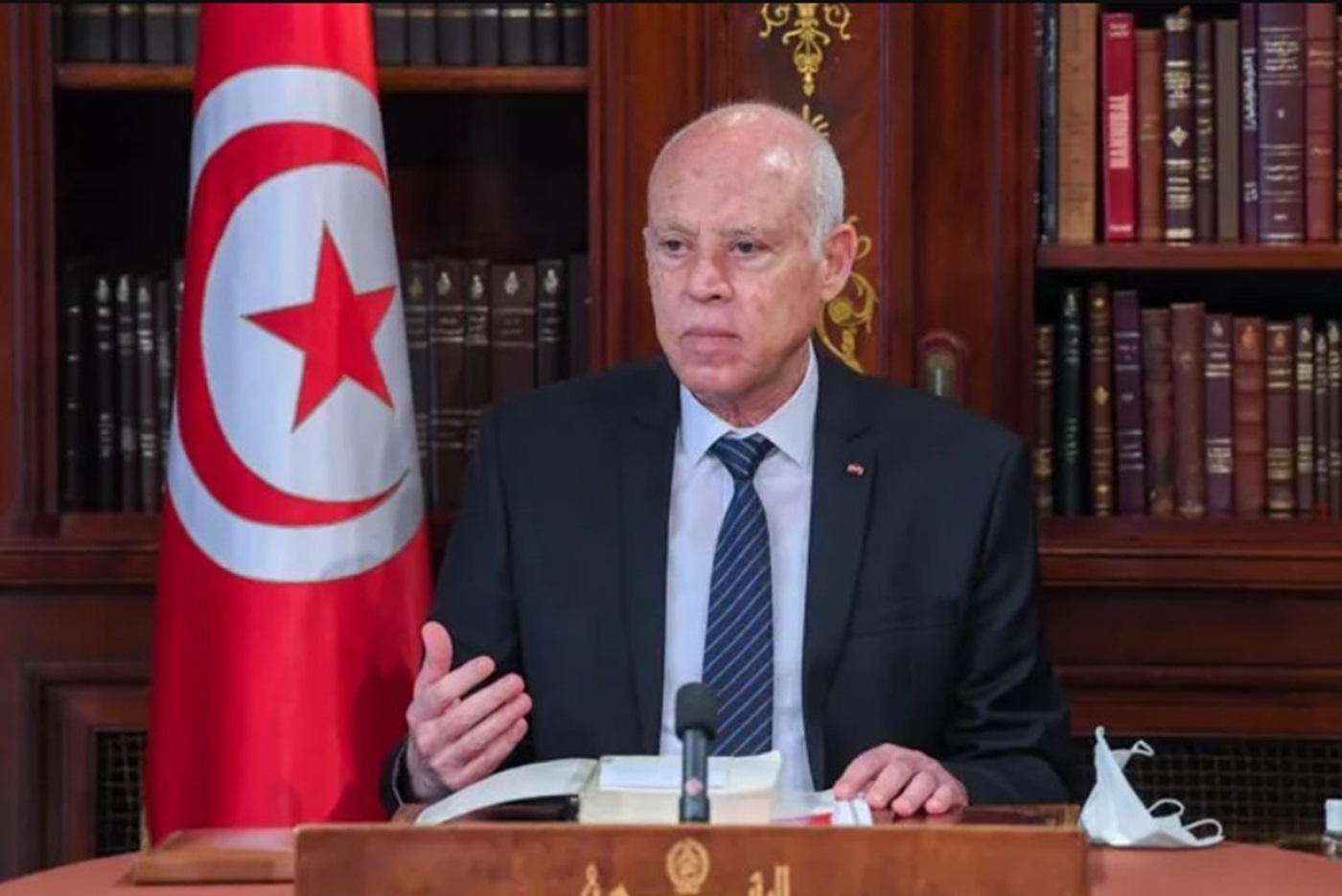
In this context, President Kais Saied, who received on Wednesday at Carthage Palace Minister of Public Works and Housing, Slah Zouari, emphasized the necessity of overcoming the difficulties affecting the progress of certain projects, particularly infrastructure projects such as hospitals and several roads across the country.
Quoted in a statement from the Presidency, the Head of State stressed the imperative of overcoming all obstacles that have delayed the completion of several projects, “not due to administrative procedures that need review, but deliberately.”
“Unacceptable” practices
He mentioned “facilities whose studies took years, and some of which, once the studies were completed, had their locations changed, requiring the studies to be redone, bringing them back to square one, even though the funds had already been allocated.”
The President described these practices as “unacceptable,” demanding that “this must stop immediately.”
“It is necessary to hold accountable all those who have not fulfilled their responsibilities properly and not hesitate to replace failing officials with highly qualified individuals who are now ready to assume their duties,” he affirmed.
Saied also stated that “those lacking experience will acquire it and commit themselves with the conviction that they are engaged in a national liberation effort.
Undoubtedly, they will contribute to the desired construction and irreversible development.”
The head of state also addressed the construction of certain new residential neighborhoods under the rent-to-own scheme, emphasizing the need to set reasonable prices that primarily consider the beneficiaries’ income and ensure that urban planning facilitates residents’ daily lives.
As the government seeks to revitalize the economy, the issue of blocked projects is becoming increasingly urgent. With international commitments to honor and the need to accelerate investments, the current situation raises questions about the country’s ability to restart these initiatives.
A State confronting Inaction
Many projects financed by foreign donors are currently stalled, an alarming situation that led Minister of Economy and Planning Samir Abdelhafidh to acknowledge the scale of the problem.
Delays in project execution are costly to the state, both in terms of financial resources and growth opportunities.