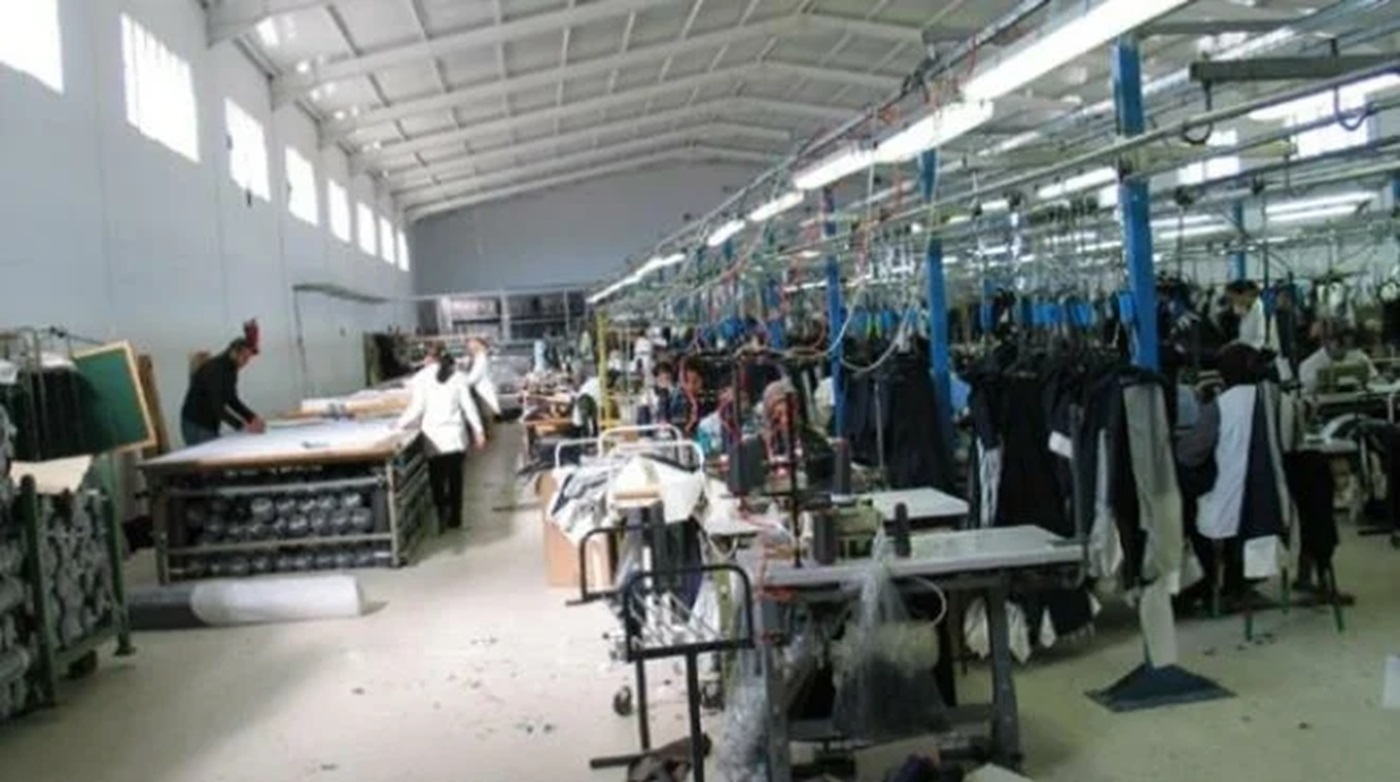
The Tunisian Federation of Textiles and Clothing (FTTH) has called for the establishment of a more flexible and stable regulatory and fiscal framework, the restructuring and modernization of vocational training in the textile sector, and the introduction of tax and financial incentives for innovation and digitalization.
The federation has just published the main proposals formulated during the national seminar held in Ksar Hellal on the “Reality and Prospects of the Textile and Clothing Sector in Tunisia.”
The FTTH’s recommendations also included the creation of a national fund dedicated to sustainable textiles, the regularization of classification authorizations for companies created before 2009, as well as operating licenses, and the reform of the fire safety system.
It further stressed “the urgent need to relaunch projects with a strong social, economic, and environmental impact, such as the Monastir textile recycling plant, the reduction of business creation and customs authorization deadlines, the improvement of public transport in industrial zones to ease company costs, the removal of legal and technical barriers to recycling, processing and exporting textile waste, and limiting imports to raw materials and products truly necessary for the local market.”
2.61% growth in first five months of 2025
Minister of Economy and Planning, Samir Abdelhafidh, announced in Ksar Hellal that the value of textile sector exports recorded a growth of 2.61% in the first five months of 2025 compared to the same period in 2024, reaching 3,942 million dinars (about 1,178 million euros).
At the opening of the seminar, he added that forecasts point to a total export value of 9,365 million dinars by the end of 2025, marking a growth rate of around 2% compared to the previous year.
Despite these positive indicators, the sector still faces many challenges, including strong competition from several countries, rising maritime freight costs, declining purchasing power among European consumers, as well as the new strategic orientations of the European market by 2030, such as new taxes to limit carbon emissions of products exported to these markets, rising energy, water, and raw material costs, in addition to the complexity of certain administrative procedures, the minister noted.
On this occasion, Abdelhafidh stressed the need to speed up the implementation of a plan to meet the requirements of global markets, encourage investment and innovation, develop human capacities and adopt modern technologies and smart industry techniques, such as clean industry and reducing carbon emissions.
The minister also mentioned the ongoing implementation of the second phase of the “Global Program for Textiles and Clothing” (GTEX-MENATEX), which spans four years (2024–2027) with an estimated funding of USD 2 million under Tunisian-Swiss and Tunisian-Swedish cooperation.
Around 33 companies operating in the textile and clothing sector, as well as support structures, will benefit from this program.
Within the framework of the project to promote imports from developing countries (CBI), 18 companies and support structures in the sector will benefit from total funding estimated at EUR 1.8 million under Tunisian-Dutch cooperation. This program covers the period 2023–2026.
The Minister of Economy and Planning specified that total external funding allocated to the sector amounts to 12.5 million dinars in the form of grants.
As the country’s second-largest export sector, textiles contribute nearly 160,000 jobs in 1,600 companies, 85% of which are fully export-oriented. The sector’s annual exports amount to nearly 10 billion dinars.