According to recently published data, the inflation rate fell slightly in May 2025 to 5.4%, compared with 5.6% in April.
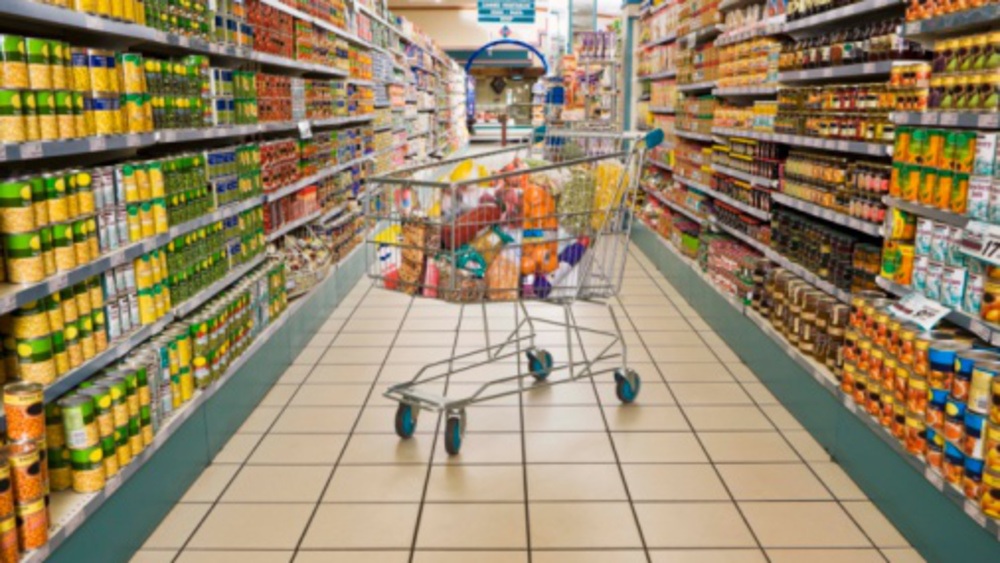
The National Institute of Statistics (INS) explained this slowdown primarily by slower increases in food prices, which rose by 6.7% year-on-year compared to 7.3% in April.
Despite this slight decline, food prices continue to put pressure on consumers. The most significant year-on-year increases were seen in fresh vegetables (+25.3%), fresh fruit (+22.8%), lamb (+19.8%) and fresh fish (+10.8%).
Conversely, some products showed a notable decline, particularly edible oils (-22.2%) and eggs (-5.1%).
Prices for manufactured goods increased by 5.2% in May compared to a year ago, primarily due to price hikes in the clothing and footwear sector (+9.4%) and household cleaning products (+4.9%).
In the services sector, prices rose by 4.6%, largely due to price hikes in restaurants, cafés and hotels (+10.8%).
Core inflation, which excludes food and energy, remained stable at 5.5%. Prices for unregulated products (i.e. those not controlled by the government) picked up by 6.5% year-on-year, compared to 1.6% for regulated products.
Unregulated food products rose by 7.5%, while regulated food products increased by just 0.9%.
This inflation trend indicates a modest yet tangible inclination towards price increases for certain everyday consumer products, particularly those subject to high volatility, such as foodstuffs.