In 2025, Africa’s strongest currencies were dominated by North and Southern African economies, with Tunisia ranking first at the end of the year.
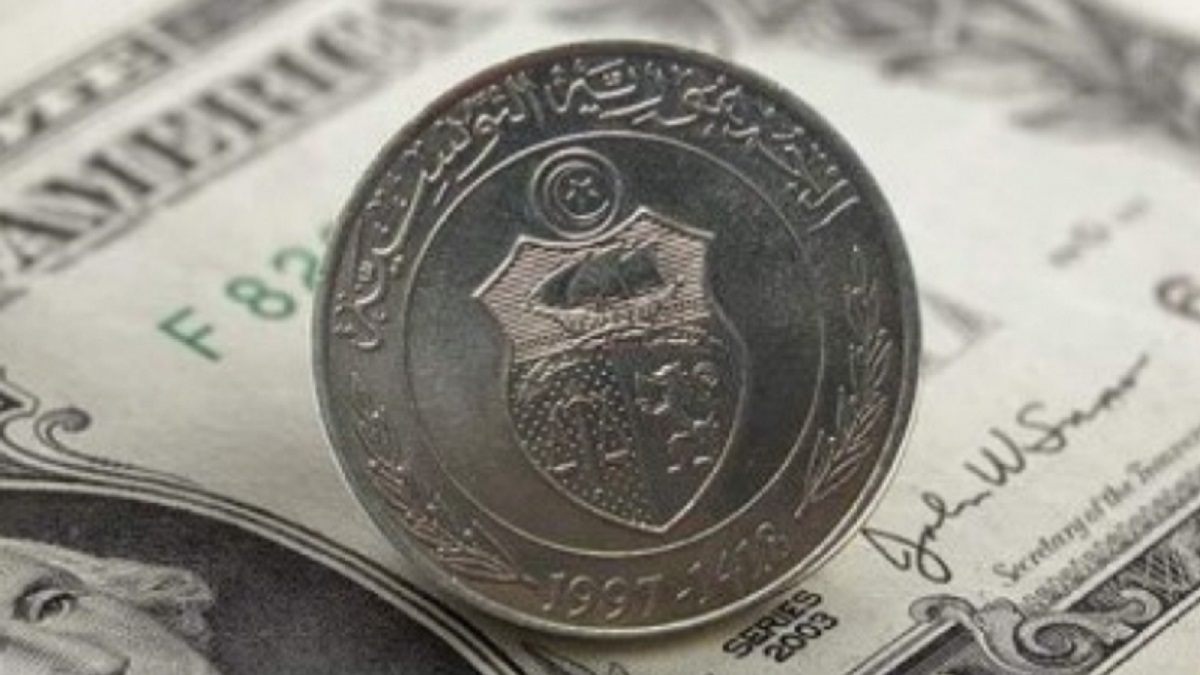
The Tunisian dinar emerged as the strongest currency on the continent against the US dollar, trading at around 2.90 to the greenback, followed by the Libyan dinar at 5.41 and the Moroccan dirham at 9.11, according to the Eastleigh Voice website.
Ghana, in West Africa, ranked fourth, with the cedi trading at 10.93 to the dollar, marking a clear turnaround after years of volatility.
Botswana followed in fifth place with the pula at 13.54, while the Seychellois rupee ranked sixth at 14.89, reflecting the relatively stable external position of the island economy.
Eritrea, Eswatini, and South Africa ranked seventh, eighth, and ninth respectively, with their currencies trading in a range of about 15 to 16.69 against the dollar.
Namibia and Lesotho completed the list, reflecting the close link between their currencies and the South African rand through the Common Monetary Area.
The ranking against the US dollar is explained by the fact that the greenback continues to serve as the global benchmark for currency valuation, often acting as a barometer of national economic stability and investor confidence.
In Africa in 2025, exchange rate developments became a visible indicator of countries’ ability to shield their economies and citizens from global economic shocks.
More broadly, a strong currency reflects confidence in a country’s economic management, fiscal discipline, export capacity, and political stability.
Where such confidence exists, it tends to translate into lower imported inflation, stronger purchasing power, and better long-term growth prospects.
A reflection of “disciplined policy choices”
South Africa’s experience over the year illustrates this dynamic.
The rand appreciated by more than 12% against the dollar, supported by improved fiscal performance, effective inflation control, and a surge in precious metal prices, which eased import pressures and boosted investor sentiment.
In West and Southern Africa, Ghana and Zambia stood out as the year’s best-performing currencies, according to World Bank assessments.
The Ghanaian cedi rebounded strongly, gaining more than 20% in the first eight months of 2025 after a sharp decline in 2024, supported by tight monetary and fiscal policies and higher export revenues from cocoa and gold.
The Zambian kwacha also posted strong gains, rising by about 16% over the year thanks to progress in debt restructuring, lower oil import costs, and increased foreign currency inflows.
Together, these examples illustrate how disciplined policy choices and improved external balances can help African economies strengthen their currencies, even in a global financial system dominated by the US dollar.