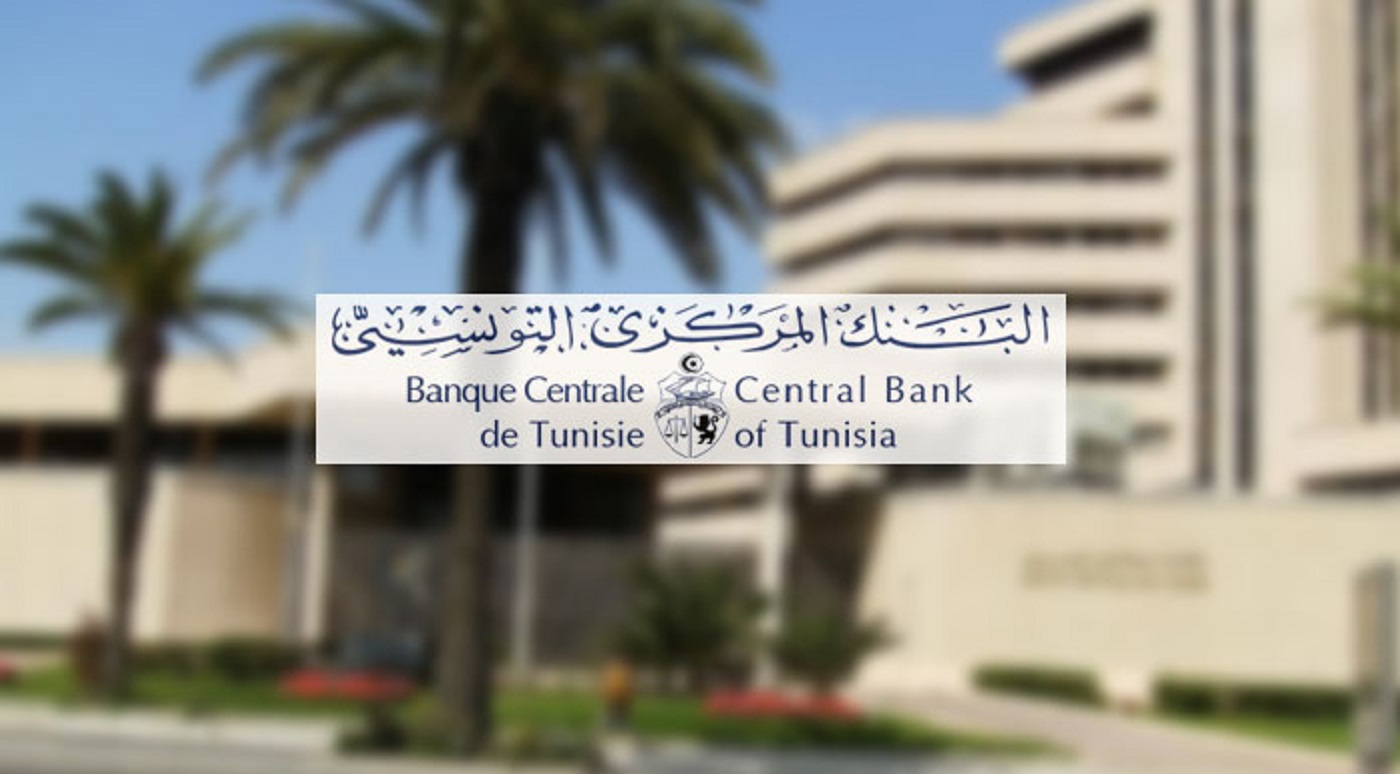
The Executive Board of the Central Bank of Tunisia, meeting on Wednesday, decided to maintain the bank’s key interest rate at 7.50%.
It indeed reviewed the recent developments in the economic and financial situation, both at the international and national levels, as well as the evolution of inflation which, despite the recent easing, still remains above 5%, according to a statement published by the BCT.
According to the issuing institution, the international environment remains confronted with unprecedented financial and economic risks, caused by trade and geopolitical tensions.
These tensions will continue to weigh on growth prospects of the major economies and will exacerbate the uncertainty regarding the evolution of international commodity prices and inflation.
The room for maneuver of central banks to pursue monetary easing has significantly narrowed recently, giving way to caution in interest rate adjustments.
On the national level, the BCT emphasized that “the available short-term indicators suggest a gradual recovery in growth after a slight slowdown during the first quarter of 2025.
This strengthening should be supported by the recovery of activity in major exporting industries and the dynamism of domestic demand. Moreover, import flows have continued to increase significantly during the second quarter of 2025, particularly imports of raw materials and semi-finished products.”
At the level of the external sector, the trade deficit (FOB-CIF) stood at 9,900 million dinars at the end of the first half of 2025, compared to 8,017 million dinars a year earlier, resulting in a widening of the current account deficit, which reached 3,399 million dinars (or 1.9% of GDP) at the end of June 2025, compared to 1,964 million dinars (or 1.2% of GDP) a year earlier.
The widening of the current account deficit was relatively mitigated by the solid performance of labor income flows and tourism revenues.
Foreign exchange reserves remain resilient
Net foreign exchange reserves continue to show resilience. They stood at 23.2 billion dinars (or 101 days of imports) as of July 29, 2025, compared to 24.4 billion a year earlier.
For its part, the exchange rate of the dinar continues to perform well against the main currencies, which should support the easing of inflation.
Regarding consumer prices, “the easing of tensions from external factors on price formation, combined with the transmission of previous monetary policy actions, has supported the continuation of the gradual disinflationary process during the first half of 2025.”
The inflation rate stabilized at 5.4% in June 2025, compared to 6.2% at the end of 2024. This easing was particularly notable in the main measure of core inflation “excluding fresh food prices and administratively priced products,” which stood at 4.7% in May–June 2025 compared to 5.2% in December 2024.
Inflation could rise again
The slowdown in inflation of administered products has continued, due to the ongoing freeze of most prices, reaching 1.5% in June 2025 compared to 3.8% at the end of 2024. Conversely, limited supply conditions have continued to fuel pressure on the inflation of fresh food products, which remained high, at 13.6% in June 2025 compared to 12.6% at the end of 2024 and a historical average of 5%.”
The BCT considers that recent forecasts suggest a continued gradual downward trend in inflation during the second half of 2025, with an average rate of 5.3% for the whole year, compared to 7% in 2024.
However, stronger and more persistent inflationary pressures than expected, stemming from developments in international prices of major commodities and raw materials, could drive inflation upward.
The Board considers that the upward risks weighing on the inflation path remain active and that it is necessary to continue supporting the ongoing disinflationary process and bring kinflation back to its long-term average.