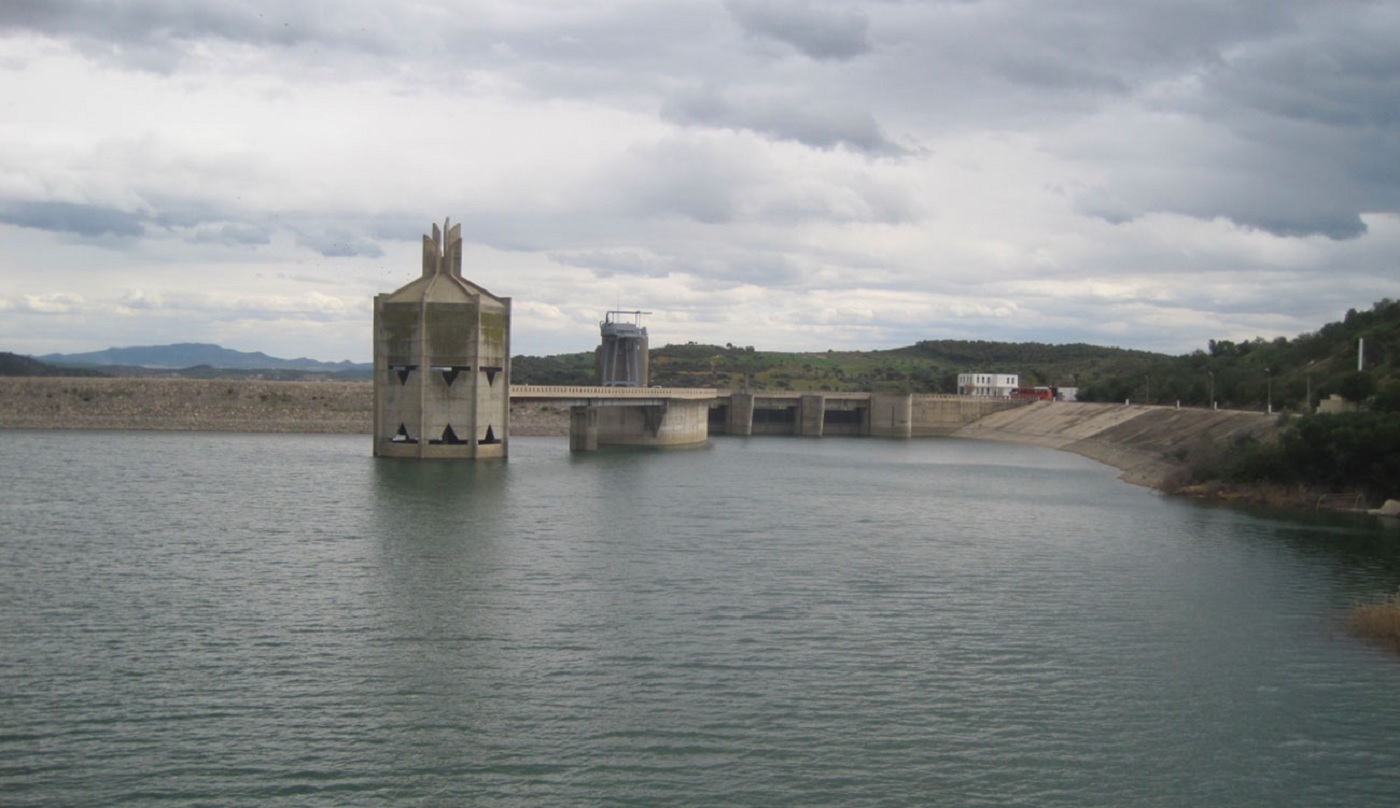
“Despite the heavy rainfall recorded in several regions of the country, it is unlikely to have a significant impact on the current situation of dams,” Houcine Rhili, an expert in development and water resources management, said on Wednesday.
“These rains did not affect the northwestern regions, which account for nearly 65% of the country’s water dams,” the expert told TAP news agency.
According to him, public opinion often automatically associates rainfall with dam replenishment, even though this is not always the case.
“The impact of these rains should be put into perspective. While the amounts were indeed significant, their geographical distribution greatly limits their effect on strategic water reserves,” he explained.
Storm mainly hit coastal areas
Rhili added that the recent Mediterranean storm mainly affected coastal regions and the eastern seaboard, particularly Greater Tunis, Bizerte and Cap Bon. Exceptional rainfall totals were recorded in El Mida (250 mm) and Hammamet (220 mm), as well as in some areas of the extreme north.
By contrast, the northwestern regions that host the major dams received only low to moderate rainfall, he noted, expressing regret that overall dam filling rates are expected to remain between 30% and 32%, a level considered insufficient to sustainably ease pressure on water resources.
“Even when rainfall amounts are high, a large share of this water ends up flowing into the sea or sebkhas due to the lack of adequate mobilization infrastructure,” he said.
In light of the gradual shift in rainfall patterns, the expert called for a revision of public water management policies to better capture rainfall, reduce pressure on road infrastructure, and limit flood risks. Proposed measures include building peri-urban dams and reviving traditional rainwater harvesting techniques such as basins and cisterns (“majels”), which could strengthen water resilience in the face of climate change.
Tunisia ranks among the most drought-affected countries
Tunisia ranks 18th globally in terms of drought, according to indicators published by the World Resources Institute, and 20th worldwide among countries suffering from water scarcity.
A report titled “Climate inflation: challenges and opportunities in the face of climate change”, prepared by the Arab Institute of Business Leaders and published by National Radio, notes that Tunisia’s main risks include rising temperatures, declining rainfall, water scarcity and drought.
Tunisia has recorded an average temperature increase of about 0.4°C over the past three decades. The average temperature between May and September 2022 was around 27.9°C, compared with 27.1°C in the summer of 2023.