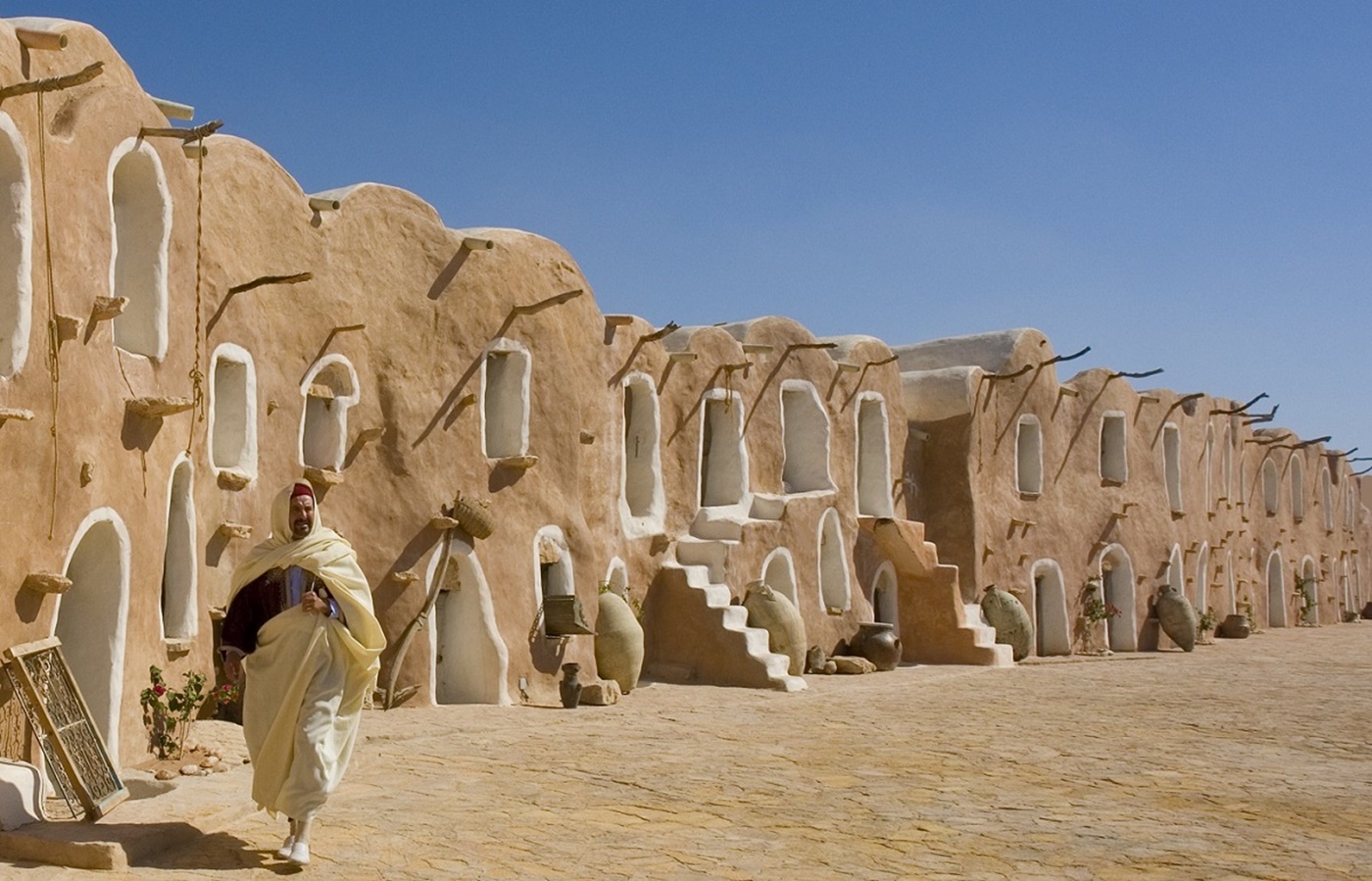
Saharan tourism remains an untapped wealth of Tunisia’s national economy. Promoting it today is more than a necessity, it is an underexploited niche with strong potential for growth in the years ahead.
The southern regions of Tunisia are making a comeback on the Saharan and oasis tourism map, reflecting a renewed interest that was absent two or three years ago.
The South is increasingly attracting tourists eager to explore its breathtaking landscapes and vast deserts, ranking it among the Top 10 destinations to visit in 2024.
Hotel bookings in the Tozeur governorate are on the rise as the winter tourism season and school holidays begin.
According to Regional Tourism Commissioner Adel Sbita, both tourist arrivals and overnight stays have increased significantly, with a 15.2% rise in overnight stays in October alone.
Sbita told TAP that initial estimates point to a continued upward trend in tourism indicators, with total overnight stays expected to reach around 200,000 by the end of 2025 in Tozeur.
11 Million Tourists Expected in 2025
In 2024, the number of European tourists visiting Tunisia increased by 16.9% compared to 2023. The country also welcomed 72,000 Americans, 57,650 Africans (outside the Maghreb), 57,000 visitors from the Middle East, and 23,000 Chinese tourists.
The tourism sector accounts for around 9% of Tunisia’s GDP and generates about 400,000 direct and indirect jobs. Tunisian authorities are projecting more than 11 million tourist arrivals in 2025, confirming the sector’s growth momentum.
A Broad Promotion Campaign
A major promotional campaign for Tunisia as a tourism destination—launched abroad in 2025 by the National Tourist Office (ONTT), was the focus of a recent meeting at the Ministry of Tourism.
Industry professionals highlighted the importance of Tunisia’s participation in international exhibitions and fairs to boost investment, promote sustainable and responsible tourism, and showcase innovative tourism routes such as the Culinary Route, the Film Route, and the UNESCO Heritage Route.
They also called for closer coordination among stakeholders, including diplomatic missions and Tunisian agencies abroad, to enhance Tunisia’s image and visibility on the international stage.